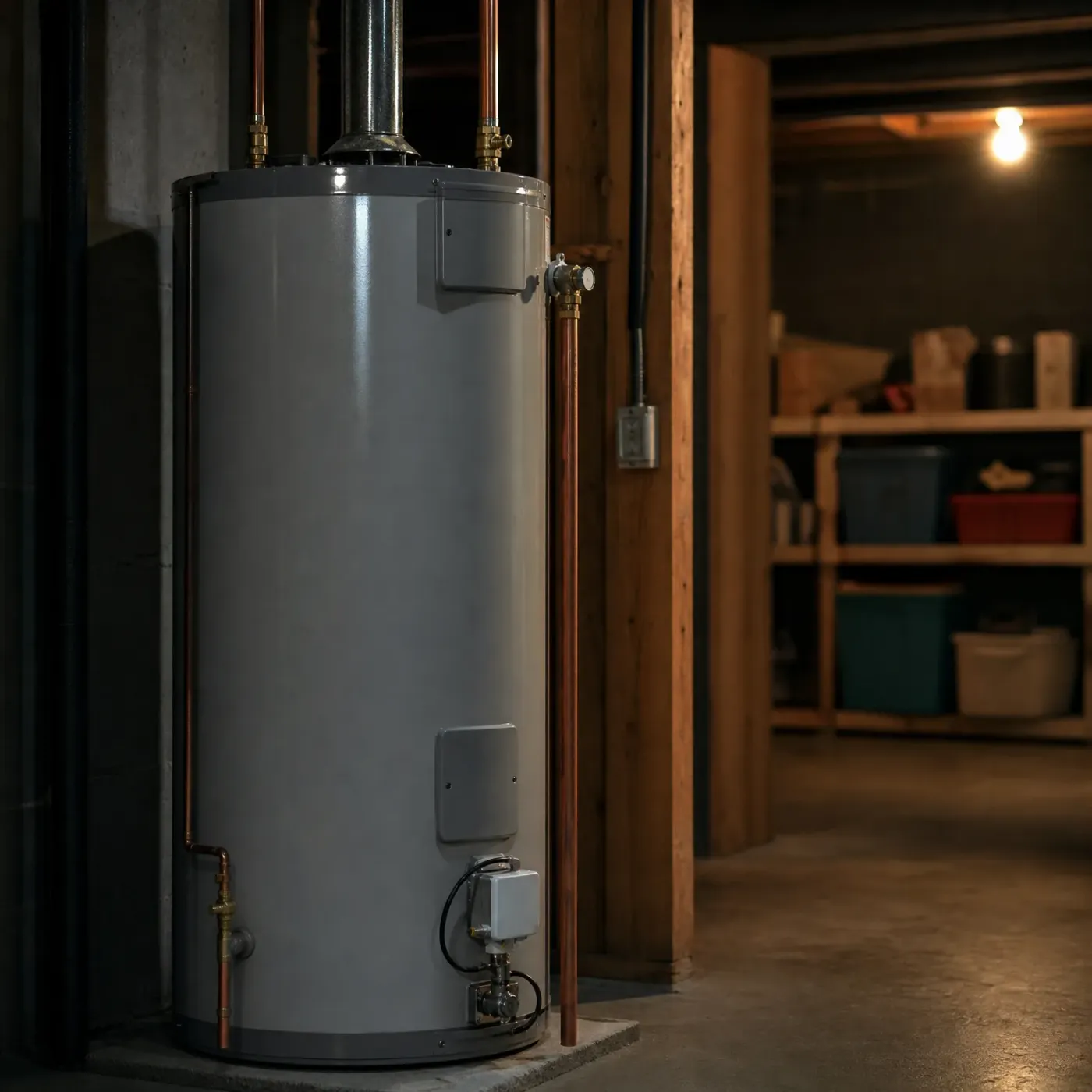
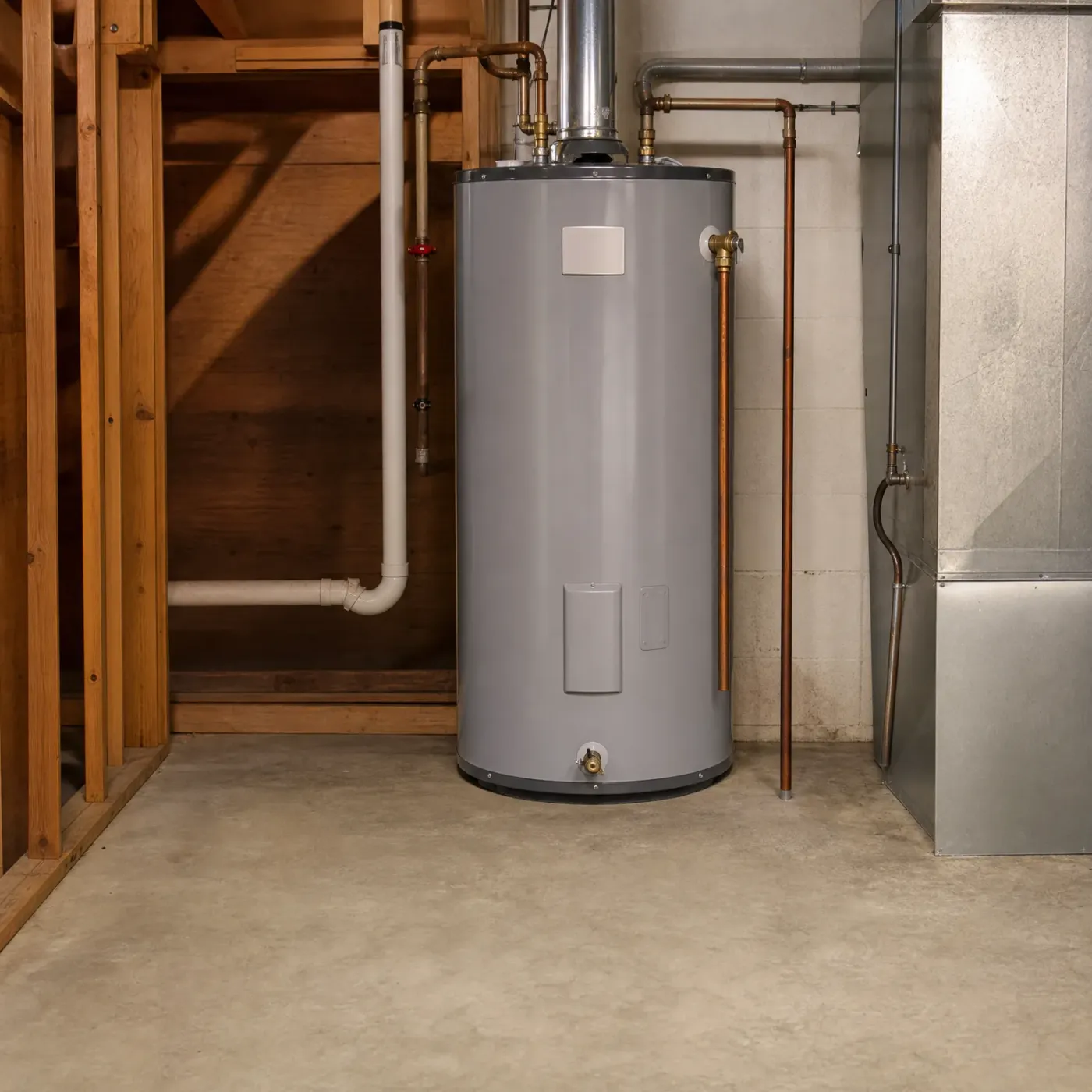
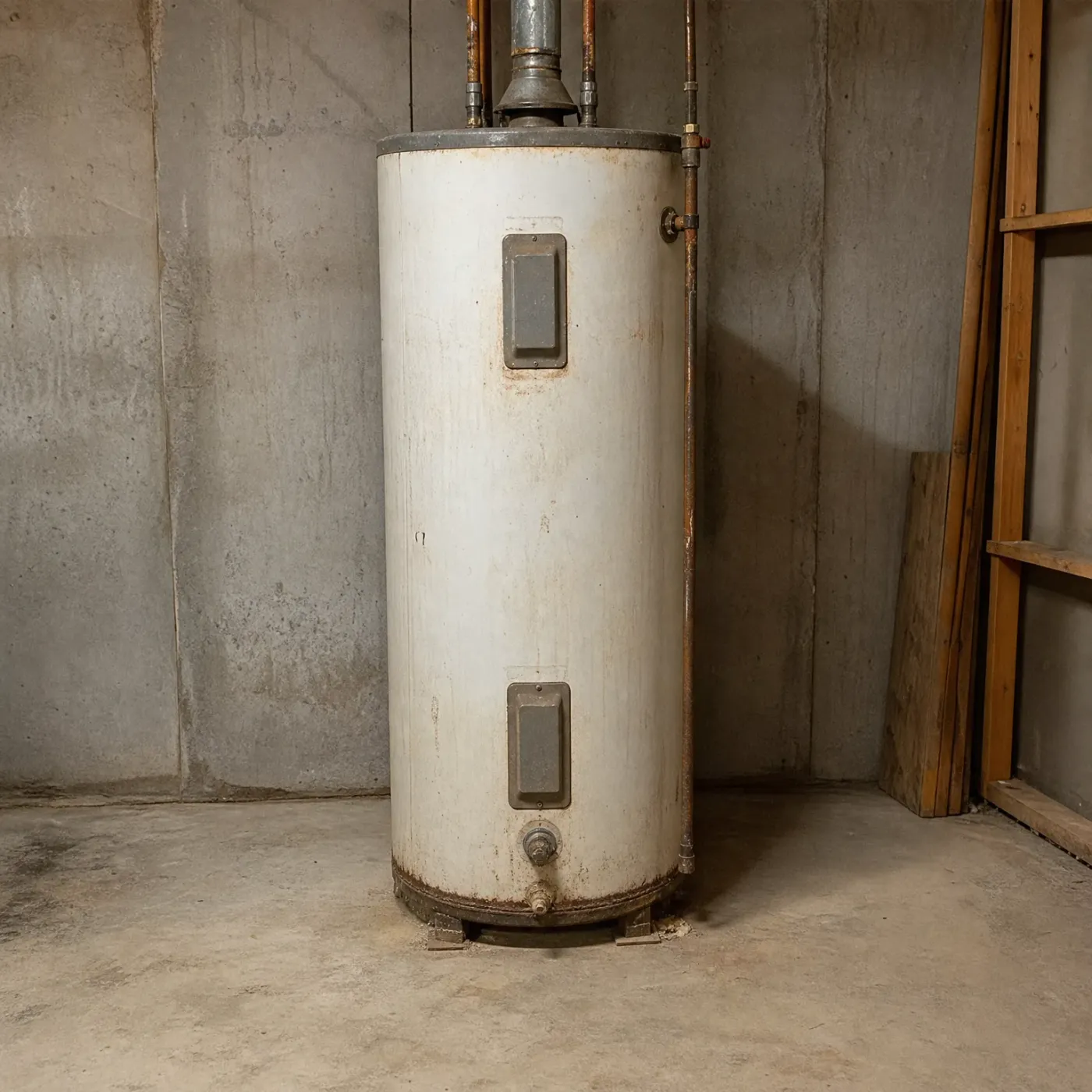
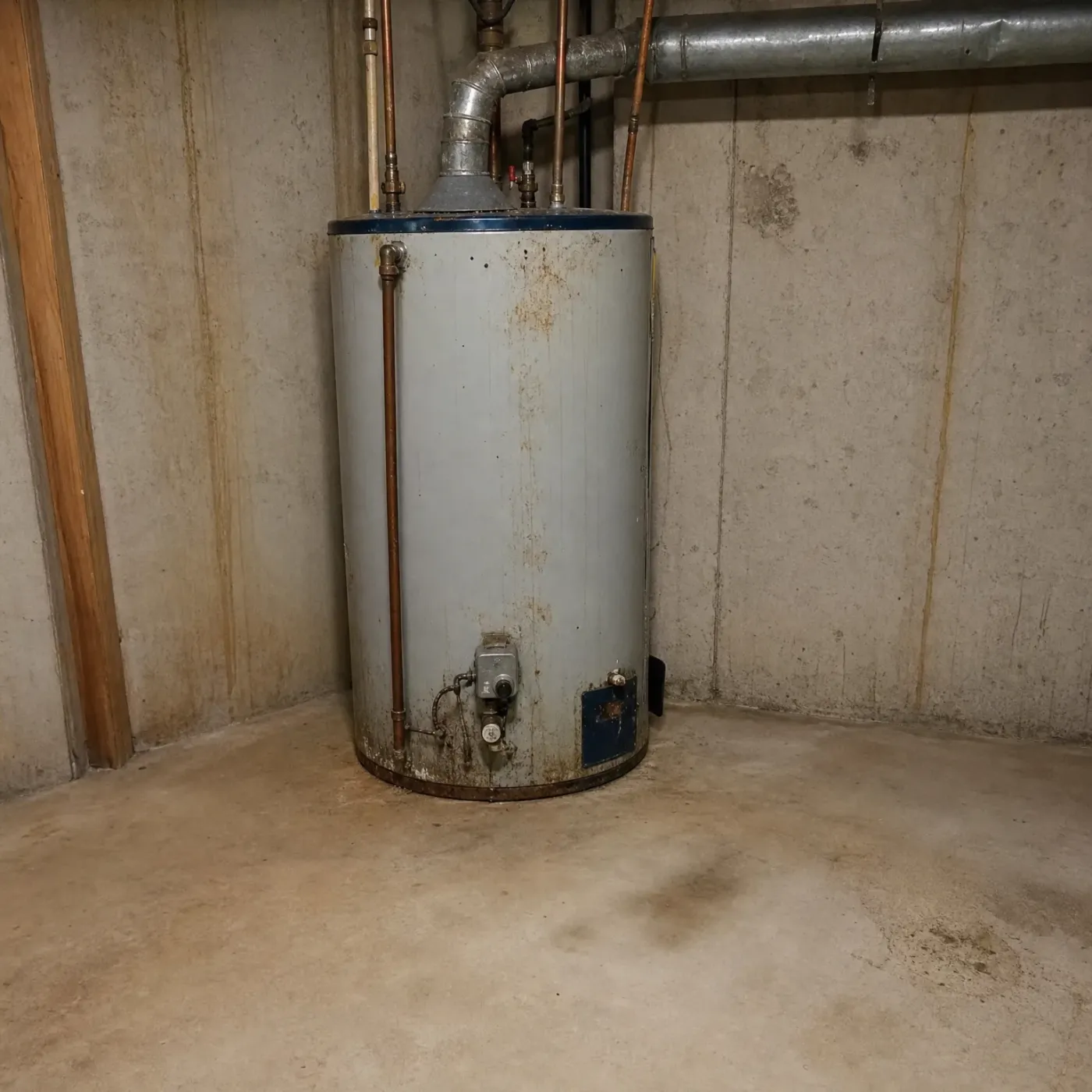
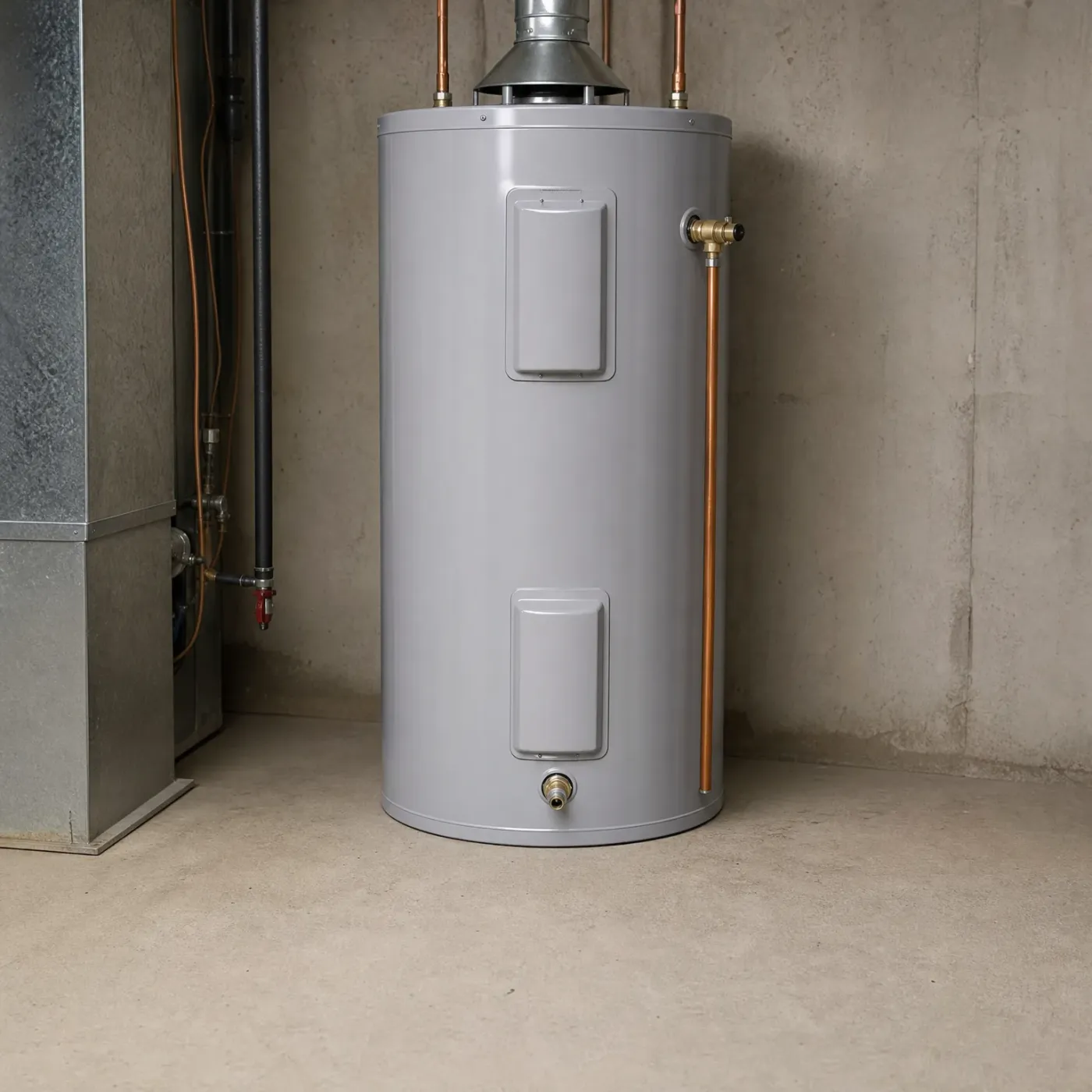
Gas or Electric, Installed Right
- Gas wins for most New Jersey homes because the gas line is usually already there and gas costs less to run than electric.
- Electric still makes sense if your home has no gas line and running one isn't practical.
- A gas water heater needs proper venting, and that work has to be done correctly for it to run safely.
- An electric water heater needs the right wiring and breaker in place before it can be installed.
- Either way, the install has to match the fuel source, the venting or wiring, and the space it goes into.
- Getting it installed right the first time matters more than which fuel you pick.
For most homes in New Jersey, gas comes out ahead. The line is usually already run for the furnace, and gas costs less to heat water with than electricity does on New Jersey's rates. If your home never had gas brought in, or the line doesn't reach where the water heater sits, electric is still a sound choice, and it skips the venting work a gas unit needs. That's the real difference once you get past the monthly bill: a gas water heater has to vent combustion gases outside, and that venting has to be sized and routed correctly or the unit isn't safe to run. An electric water heater skips the venting but needs a dedicated circuit and a breaker rated for it, and that has to be in place before the unit goes in. Neither job is just setting a tank in place and hooking up a line. The new unit has to match what's already feeding it, whether that's a gas pipe and a vent or a circuit and a breaker, and it has to fit the space it's going into. A water heater sized or vented wrong, or wired to a circuit that can't carry it, is a problem whether it runs on gas or electricity. The fuel you pick decides what you're paying every month. How it gets installed decides whether it runs safely for as long as it's supposed to.