Tell us about the job
Takes about a minute. No obligation.
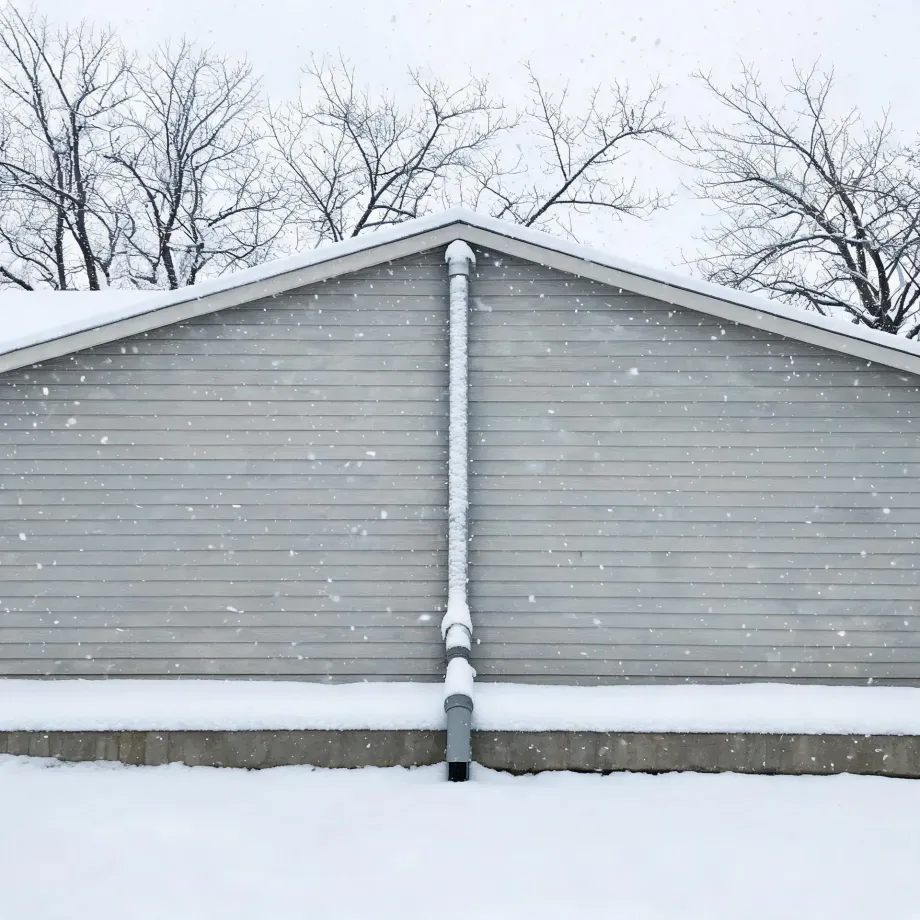
Gas supply, venting, and combustion air are the first things a contractor pins down before quoting a water heater installation here. Utility gas heats more occupied homes in Cape May County, New Jersey than any other fuel, at 68.0% (2020-2024 ACS 5-year). That share means most homes already have a gas line sized and routed for a water heater, but it does not mean the existing flue or the air supply to the closet meets current code for a higher-efficiency unit. A condensing gas water heater vents differently than a conventional one, and retrofitting the flue adds to the job scope. The contractor establishes what is there before the price means anything.
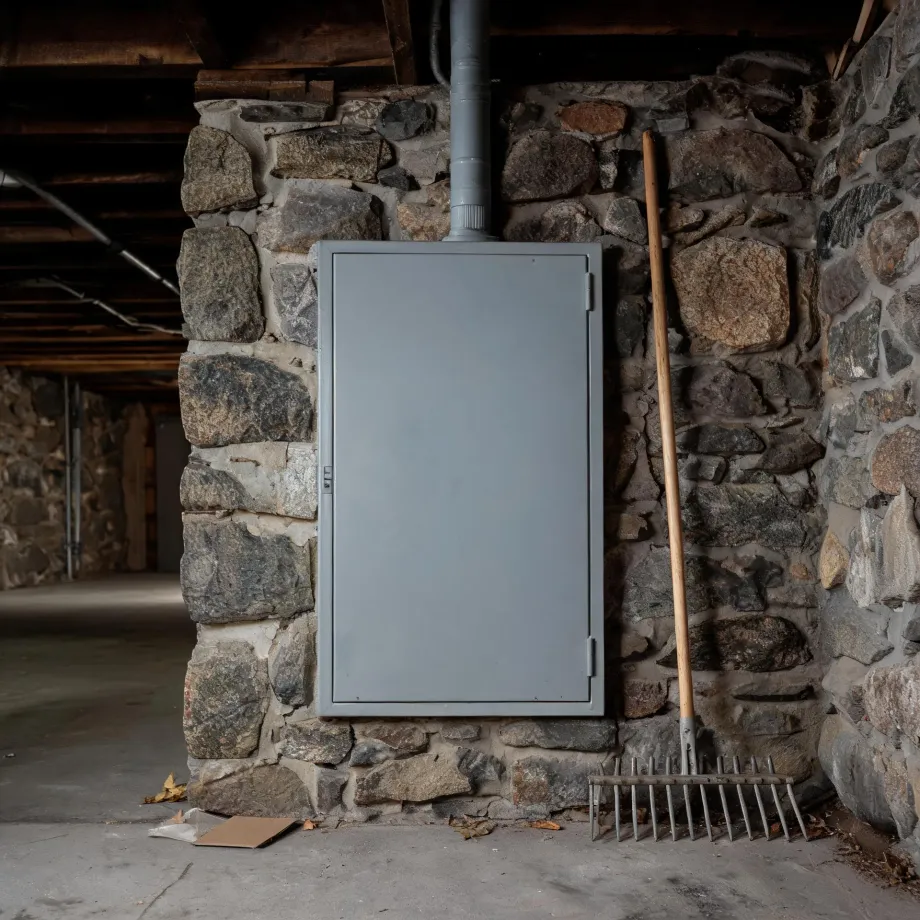
Venting and piping runs in a house tell a contractor more about how a water heater installation will go than the unit sitting on the floor of a showroom does. Half the homes in Cape May County, New Jersey were built in 1981 or earlier (2020-2024 ACS 5-year). Stock that old was designed around equipment that no longer exists, which means the pathways already in the walls were sized for something different. A contractor here checks what is there before pricing what is new, because the run lengths, the venting material, and the available connections set the actual scope of the job.
The Parts of a Water Heater an Installation Covers
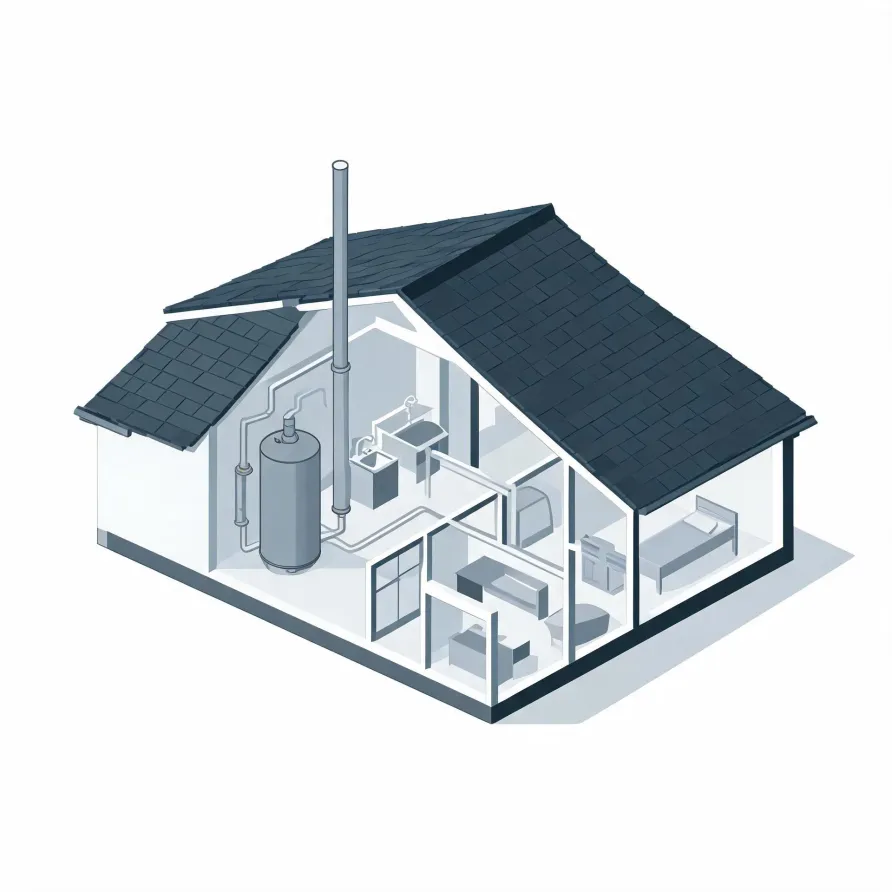
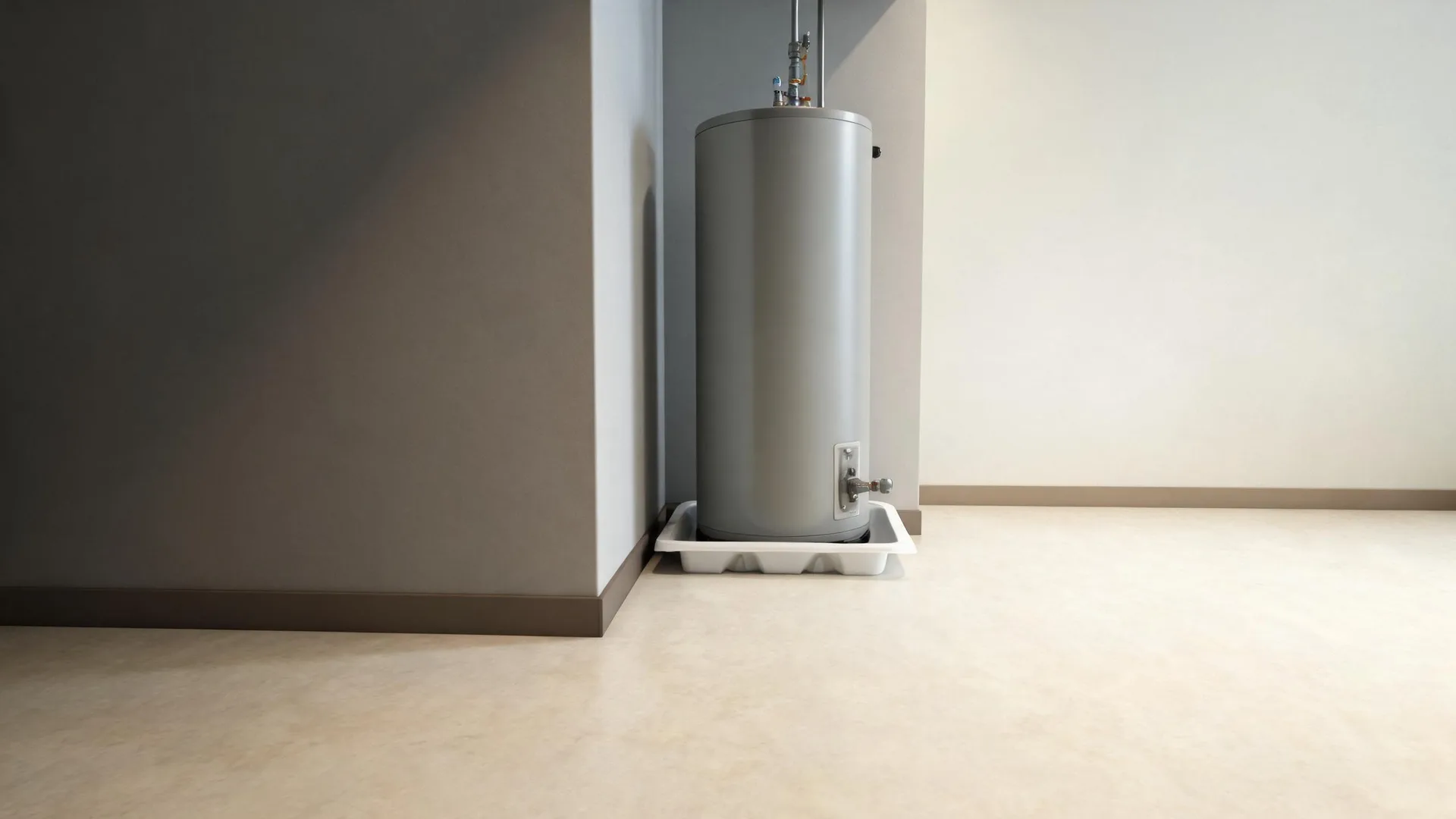
The tank is the piece a homeowner sees first, usually standing in a utility closet, basement, or garage. It holds and heats the water supply for the whole house. Attached to the tank are the cold-water inlet and the hot-water outlet, the two connections that tie the unit into the home's plumbing.
The pressure relief valve sits on the side of the tank and is required by code; it releases pressure if the tank builds up too much. A drain valve at the base allows the tank to be emptied when needed. The flue or exhaust connection runs from the top of a gas unit up through the wall or ceiling to move combustion gases out of the house.
The drawing shows a typical layout, and a licensed contractor determines what applies to this particular home.
Get matched in Cape May CountyCape May County, by the numbers
133 severe weather events were recorded in Cape May County, New Jersey between 2015 and 2024.
NOAA National Centers for Environmental Information, Storm Events Database, bulk CSV export, events 2015-01-01 through 2024-12-31.Half the homes in Cape May County, New Jersey were built in 1981 or earlier (2020-2024 ACS 5-year).
U.S. Census Bureau, 2020-2024 American Community Survey 5-Year EstimatesCape May County, New Jersey holds 99,599 housing units (2020-2024 ACS 5-year).
U.S. Census Bureau, 2020-2024 American Community Survey 5-Year EstimatesOwners occupy 80.3% of the occupied homes in Cape May County, New Jersey (2020-2024 ACS 5-year).
U.S. Census Bureau, 2020-2024 American Community Survey 5-Year EstimatesCodes & Standards Governing Water Heater Installation in Cape May County, New Jersey2 sourced rules and standards
Licensing and Legal Requirements in Cape May County, New Jersey
In New Jersey the HVACR licence is the State's alone: a municipality, local board of health or any other agency may not issue or renew a Master HVACR contractor's licence.
New Jersey requires a Master HVACR contractor licence: no person or business may engage in the business of HVACR contracting, or advertise as a Master HVACR contractor, without being authorised under the State HVACR Contracting License Law.
Severe Weather Events in Cape May County
Weather puts real load on water heating equipment, and that load is shaped by local conditions. How hard the climate pushes here is part of what determines how a system is sized, installed, and how long it holds up.
133 severe weather events, 2015–2024. Source: NOAA National Centers for Environmental Information, Storm Events Database.