Tell us about the job
Takes about a minute. No obligation.
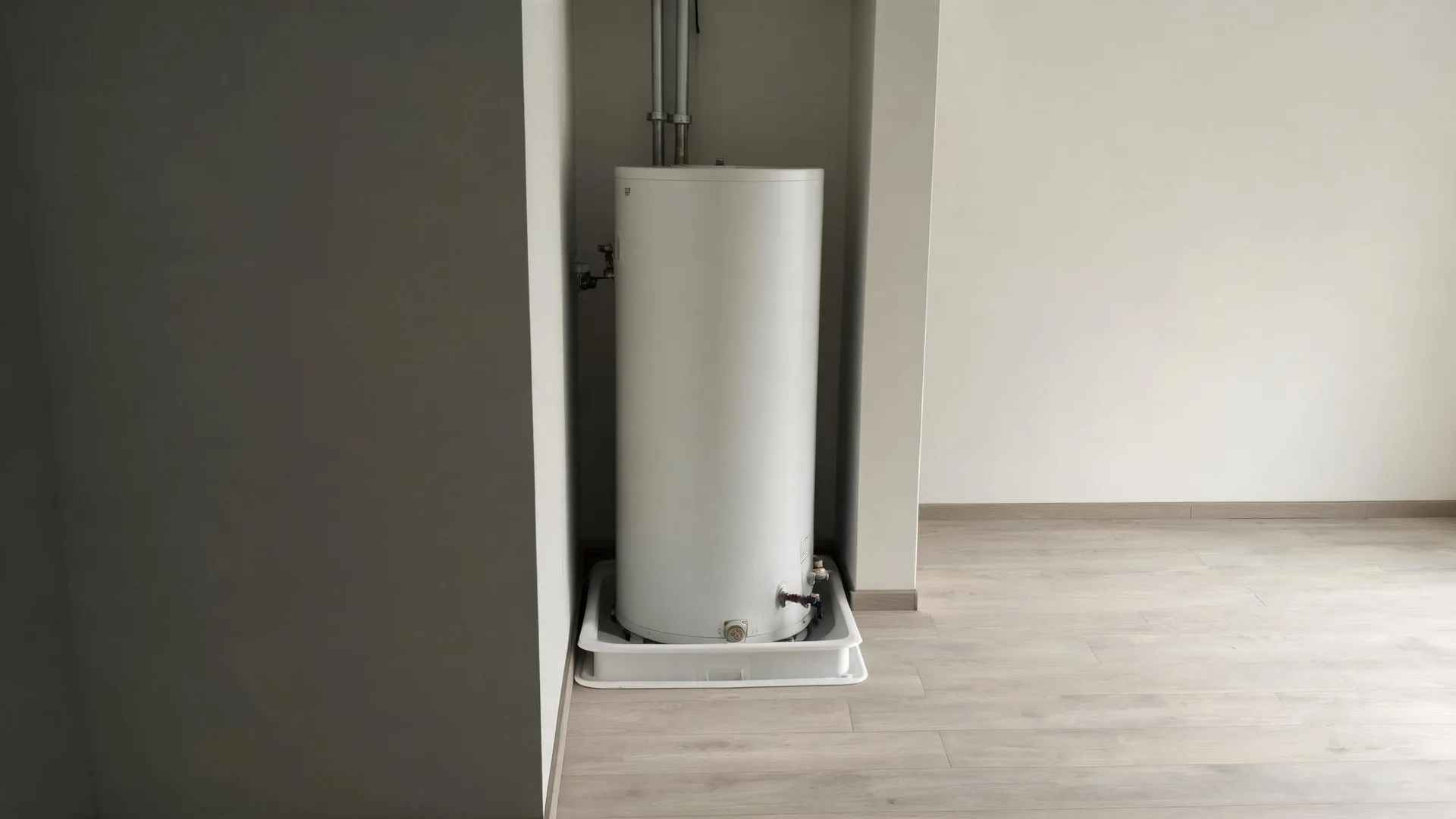
Utility gas heats more occupied homes in Union County, New Jersey than any other fuel, at 81.8% (2020-2024 ACS 5-year). A contractor assessing a failed or underperforming water heater here starts with the burner, the thermocouple, and the flue. Gas combustion leaves residue on those components over years of continuous use, and a blocked or corroded vent changes combustion behavior before it trips any obvious fault code. Sediment in the tank is a separate issue, but in a gas-dominant market a contractor who skips the combustion side first is quoting the wrong repair.
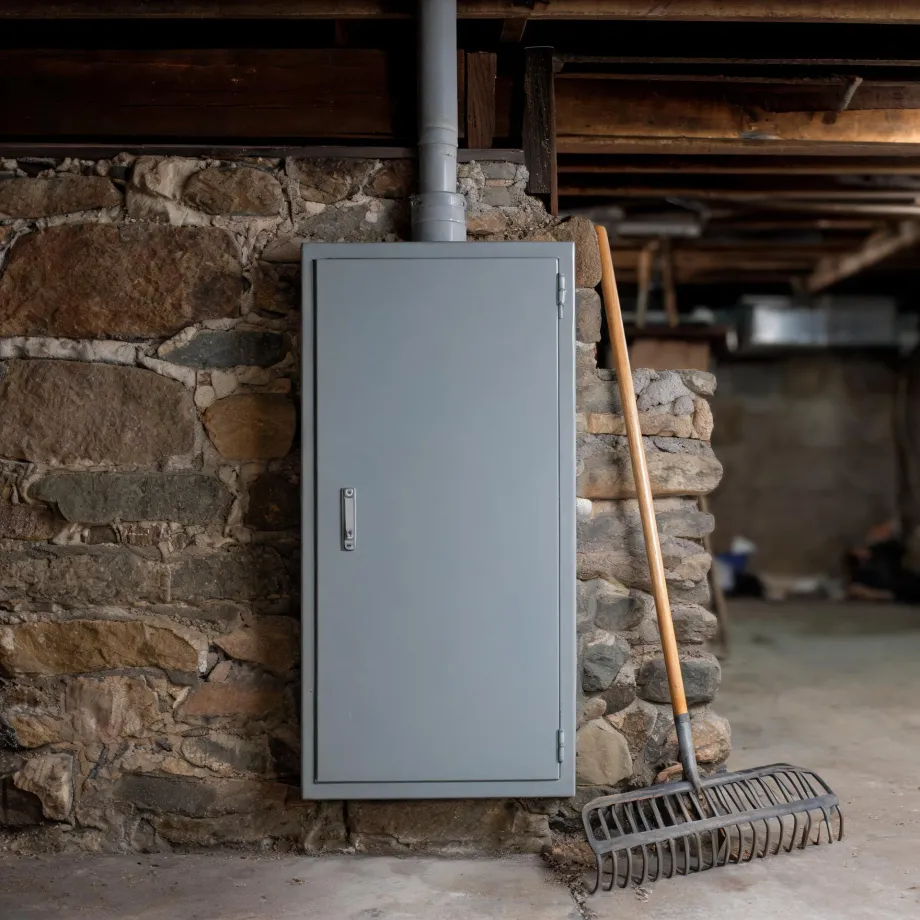
Plumbing in the older portion of Union County's housing stock was run for equipment and fittings that look nothing like what sits in most supply houses today. Half the homes in Union County, New Jersey were built in 1956 or earlier (2020-2024 ACS 5-year). That means a contractor opening a water heater in a house from that era may find connection types, pipe materials, or venting arrangements that require fabrication or sourcing rather than a straight swap. The repair scope gets settled by what is behind and around the unit, not by the unit alone.
The Parts of a Water Heater a Contractor Checks During a Repair
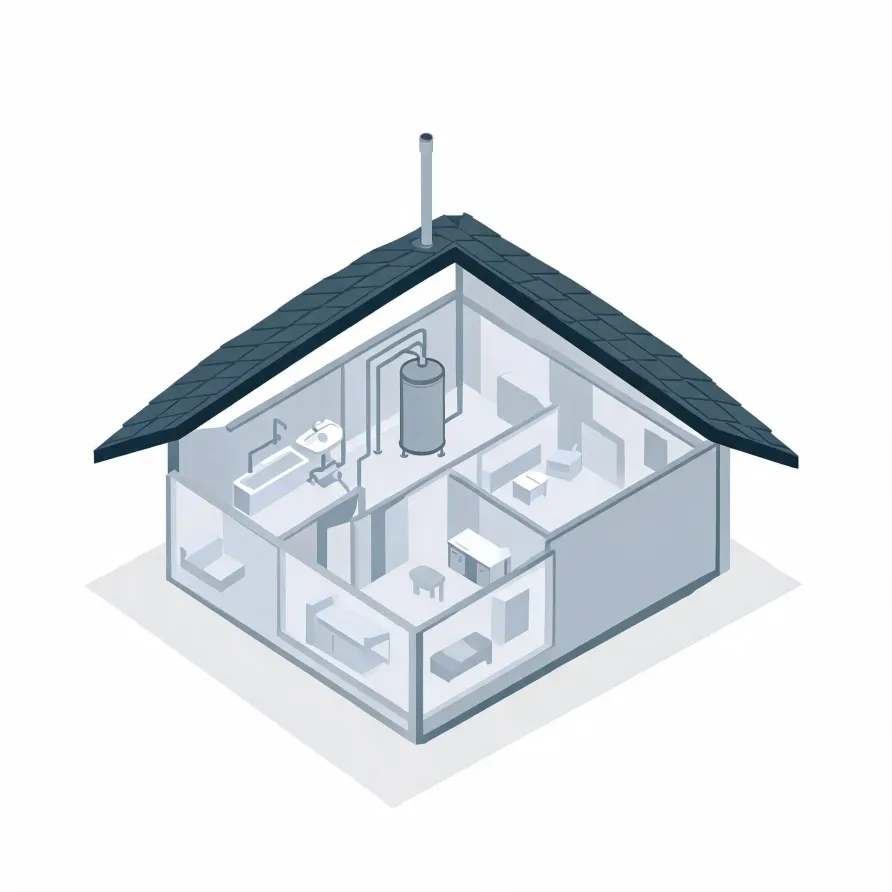
The tank is the piece most homeowners can point to, sitting in a utility closet, basement, or garage and holding a supply of hot water ready for the rest of the house. When a repair call comes in, the tank itself is the first thing a contractor looks at, checking for corrosion, leaks, or signs that the lining has broken down.
The burner assembly or heating element sits inside or beneath the tank depending on whether the unit runs on gas or electricity, and the thermostat and pressure relief valve mount directly on the tank body. A faulty thermostat produces water that is too hot or not hot enough, while a failing relief valve is a safety concern a contractor addresses before anything else.
The drawing shows a typical water heater layout, and a licensed contractor determines which parts apply to the specific unit and conditions in your home.
Get matched in Union CountyUnion County, NJ, by the numbers
140 severe weather events were recorded in Union County, New Jersey between 2015 and 2024.
NOAA National Centers for Environmental Information, Storm Events Database, bulk CSV export, events 2015-01-01 through 2024-12-31.Half the homes in Union County, New Jersey were built in 1956 or earlier (2020-2024 ACS 5-year).
U.S. Census Bureau, 2020-2024 American Community Survey 5-Year EstimatesUnion County, New Jersey holds 212,385 housing units (2020-2024 ACS 5-year).
U.S. Census Bureau, 2020-2024 American Community Survey 5-Year EstimatesOwners occupy 57.4% of the occupied homes in Union County, New Jersey (2020-2024 ACS 5-year).
U.S. Census Bureau, 2020-2024 American Community Survey 5-Year EstimatesRules & Standards Governing Water Heater and HVAC Repair in Union County, New Jersey2 sourced rules and standards
What Union County, New Jersey Requires for HVAC Repair
In New Jersey the HVACR licence is the State's alone: a municipality, local board of health or any other agency may not issue or renew a Master HVACR contractor's licence.
New Jersey requires a Master HVACR contractor licence: no person or business may engage in the business of HVACR contracting, or advertise as a Master HVACR contractor, without being authorised under the State HVACR Contracting License Law.
Severe Weather Events in Union County
Extreme weather puts water heaters under stress, from temperature swings that strain tank materials to power surges and flooding that cut equipment life short. How often that pressure hits Union County shapes how hard local water heaters work and how soon repair needs show up.
140 severe weather events, 2015–2024. Source: NOAA National Centers for Environmental Information, Storm Events Database.