
Call around and explain it again
Finding a contractor on your own means searching, calling a few, and describing the same lukewarm shower story to each before you get a straight answer.
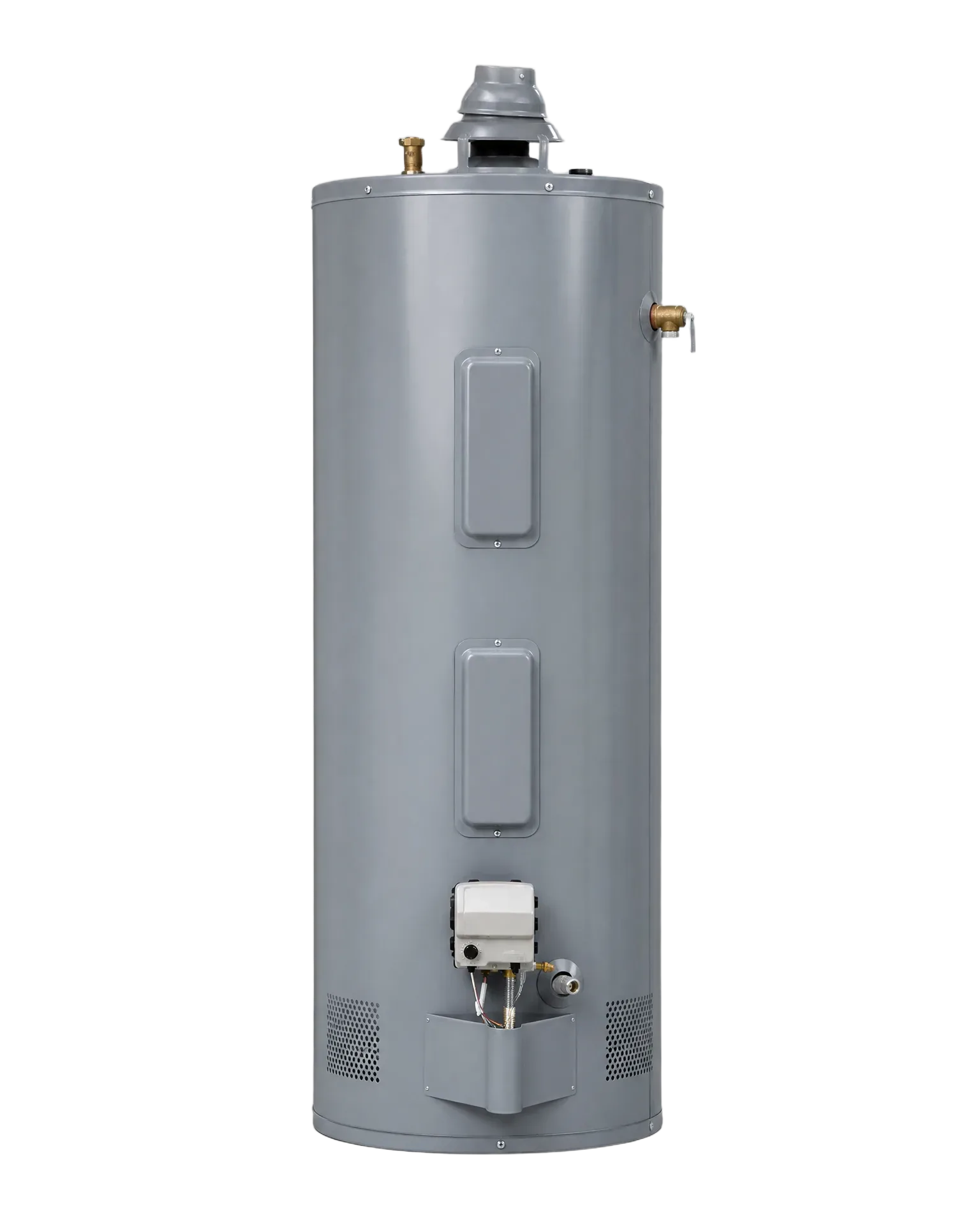
Most of the time, hot water runs out fast because the tank can't recover between uses, not because it's the wrong size for your house. Sediment collects at the bottom of a gas tank over the years and sits between the burner and the water, so the burner has to run longer to heat the same amount of water, and some tanks never catch up. A failing dip tube does something similar: it lets incoming cold water mix straight into the hot water near the top of the tank instead of going to the bottom, so you're pulling lukewarm water sooner than you should. A heating element or burner that's partly working can still bring water up to temperature, just slower than the rest of the tank uses it. None of these show up until you're standing in a cooling shower. A contractor can tell which one it is by checking recovery time against the tank's rating, not by guessing.




Cold water enters the tank at the bottom.
The burner fires underneath, heating through a layer of sediment first.
Heat passes slowly through the sediment before it reaches the water.
Hot water draws off the top while the burner struggles to keep up.

You notice it in small ways first. A shower that turns lukewarm sooner than it used to. Dishes that need a second hot rinse. A load of laundry on hot that comes out barely warm. None of that means you need a new tank. It usually means the one you have is working harder than it should to do the same job.
A gas water heater that's losing ground doesn't fix itself, and the burner underneath a layer of sediment keeps working harder every month you wait. You don't have to track down a plumber, explain the problem to three different people, and sort through quotes to find out what's wrong. Answer a few questions about your water heater and get matched with a contractor who handles this kind of repair, and they'll reach out to you directly.

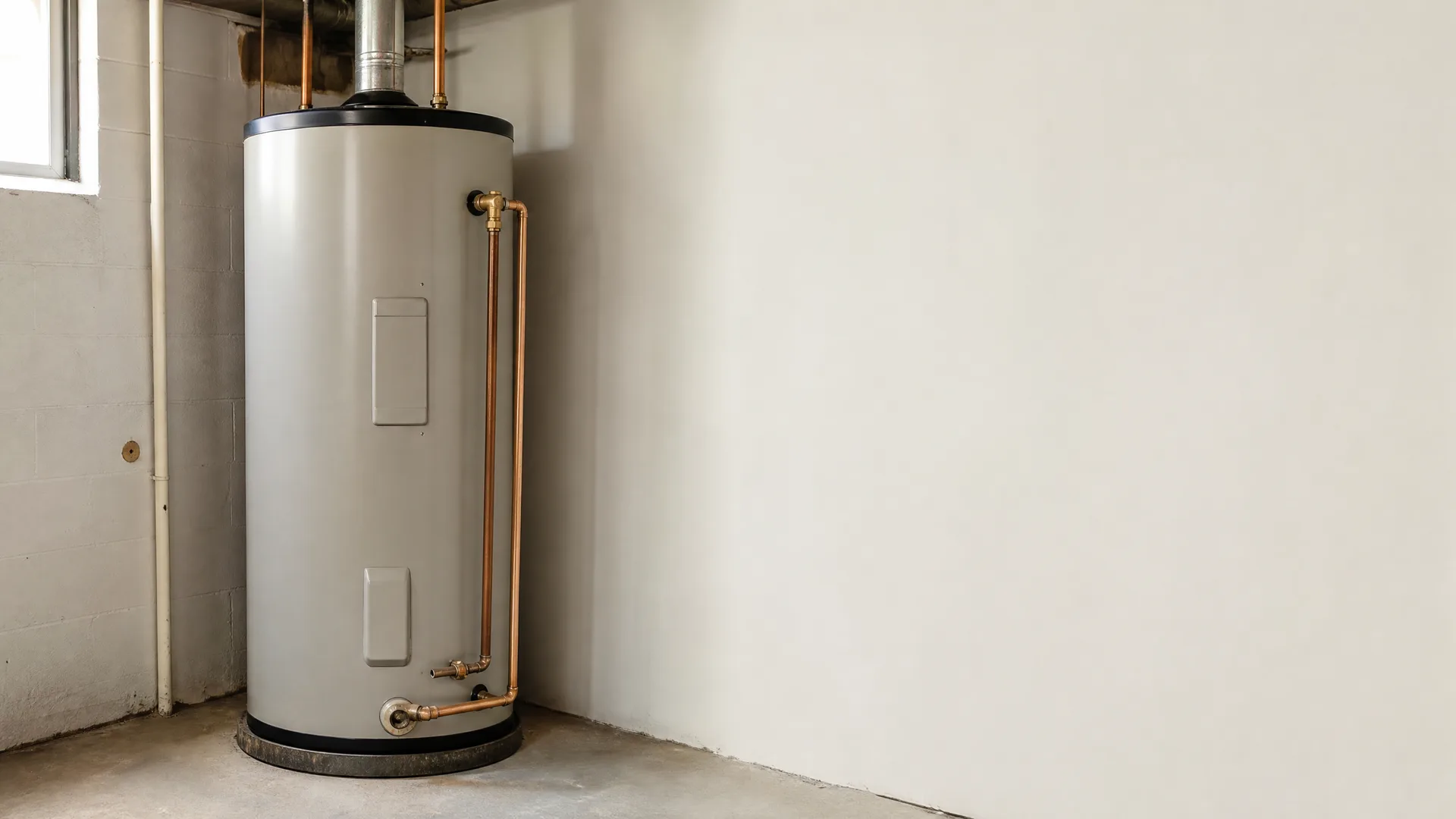
A gas water heater recovers by firing the burner under the tank until the full tank is back up to temperature. Sediment sitting on the bottom acts like a lid between the flame and the water above it. The burner has to push heat through that layer before the water even starts warming, so recovery stretches out. The thermostat can't tell the difference. It just reads a tank that's taking longer to climb.
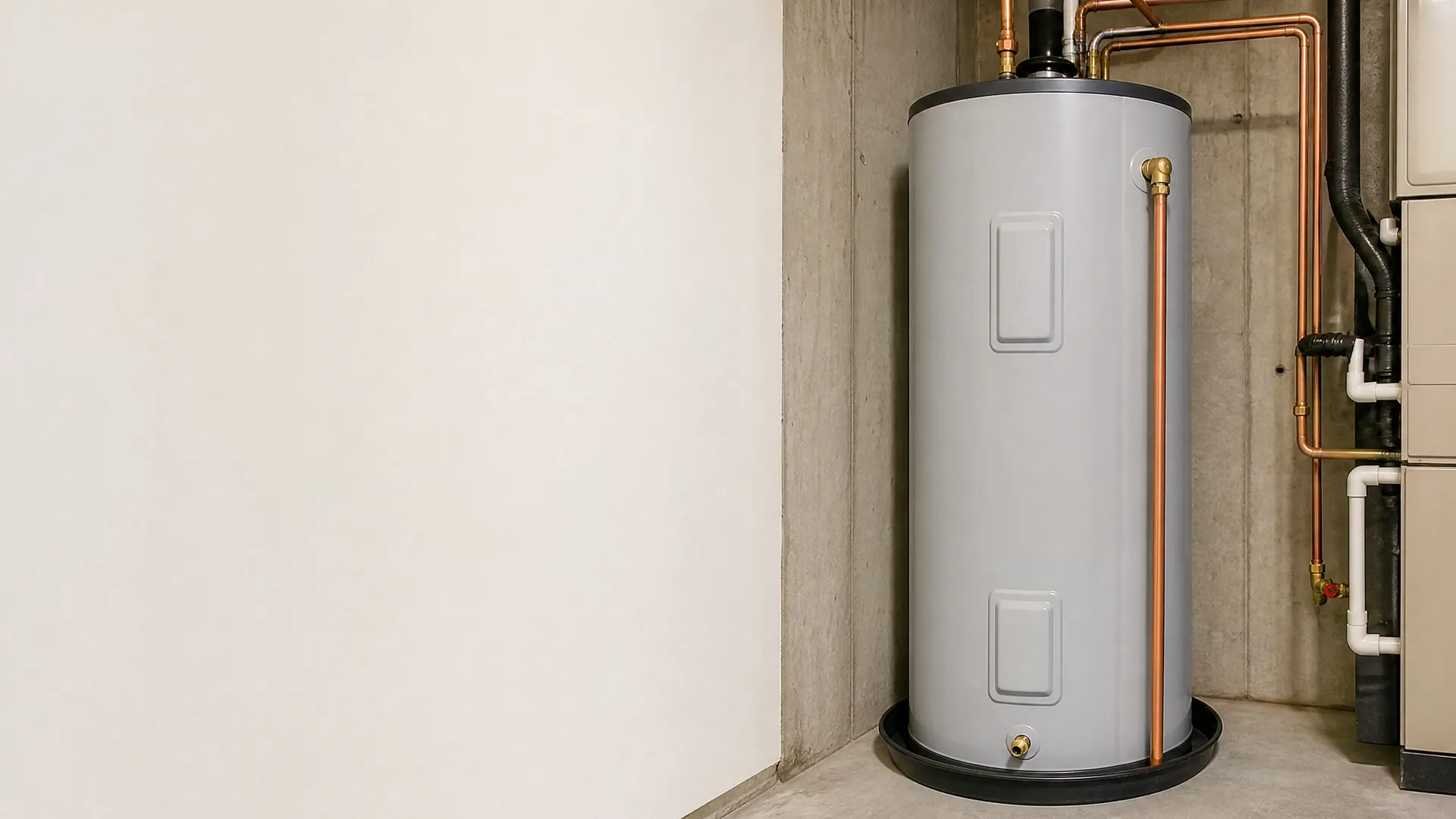
Since power here runs expensive, most homes depend on gas for hot water, and a burner working through sediment runs longer per cycle than it should. That shows up on a gas bill before anyone traces it back to the tank itself. A burner that used to satisfy the thermostat in a few minutes can take noticeably longer once sediment builds up, and that extra runtime adds up across every refill, every day, all year.


Fill out one short form instead of calling around.
Describe your water heater job, and a local pro who handles it gets in touch.
It costs nothing to send, and you don't have to hire anyone.


Finding a contractor on your own means searching, calling a few, and describing the same lukewarm shower story to each before you get a straight answer.
Answer a few questions once and a contractor who handles water heater repair in New Jersey contacts you directly, no more sorting through quotes yourself.
Think back to when the tank was new. A shower lasted longer before it turned lukewarm. Now someone has to wait their turn, or the last person in line gets cold water. You might hear the tank popping or rumbling when the burner is running, that's water trying to move through sediment. The water coming out might look slightly rusty or have a faint smell, especially on the hot side. None of that fixes itself. Left alone, the sediment layer keeps building, the burner keeps working harder to push heat through it, and a tank running that hard for that long wears out sooner than it should.
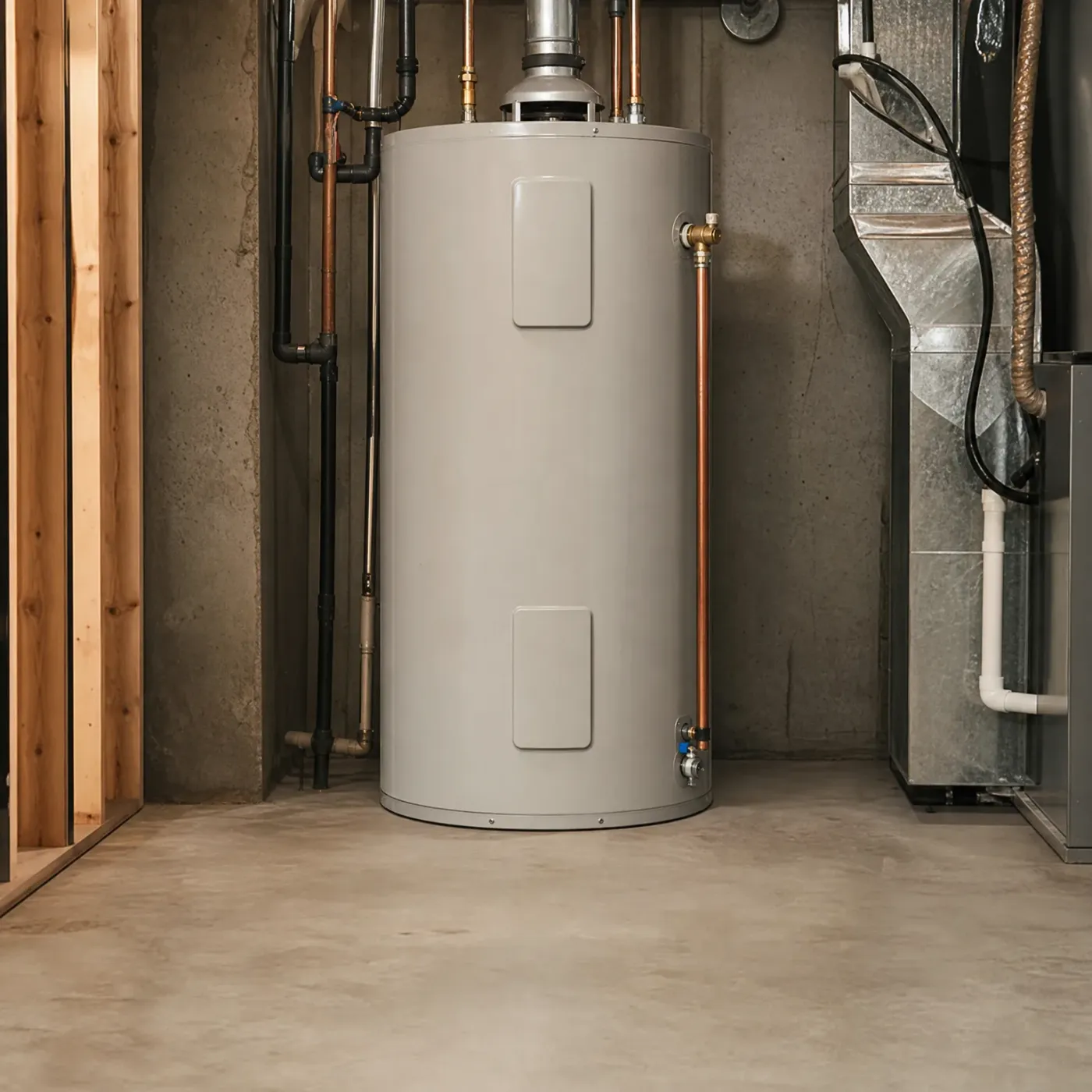
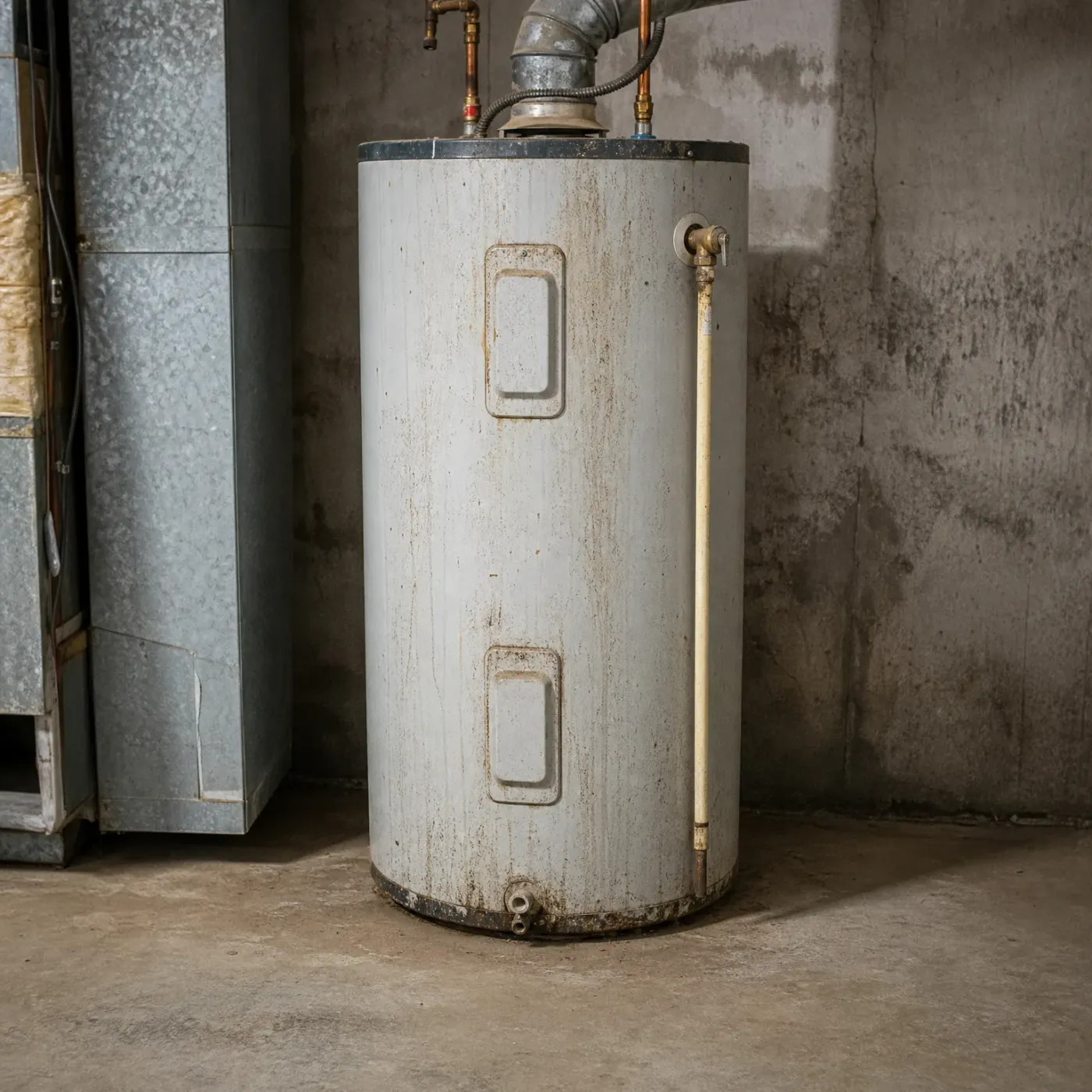
Gas heats almost three out of four homes in New Jersey, and yours is probably one of them. A gas burner reheats a tank fast when it's clean, which is exactly why sediment buildup shows up as a problem here: it's sitting between that burner and your water.
ACS 2020-2024 5-year B25040
The short version is simple. Hot water running out fast almost always comes down to sediment sitting between the burner and the water, not a tank that's too small for your house. A contractor flushes it out, the burner reaches the water directly again, and recovery time goes back to normal. Leave it alone long enough and the tank works harder than it should, which tends to shorten its life.
None of that changes because you live in New Jersey, but it does explain why the problem shows up here the way it does. Gas heats most homes in this state, and a gas burner recovers fast when it's clean. That's exactly why sediment is worth dealing with instead of working around. A tank that used to keep up with back to back showers should still be able to, once it's clean.
What usually makes this drag on isn't the repair itself. It's finding someone to do it. Searching for a contractor, calling a few, explaining the same lukewarm shower story each time, then sitting with quotes trying to compare them. Getting matched skips that part. You answer a few questions once, about your tank and what you're noticing, and a contractor who handles this reaches out to you directly. You still decide who does the work. You just stop doing the legwork to find them.
Skip searching for a water heater pro and answer a few questions instead.