 Let a pro reach out
Why your water heater is leaking in New Jersey
Send the request today and stop worrying about who to call.
Water on the floor around your water heater usually means something failed, not something that will fix itself by morning. The tank itself might have rusted through at the seam. A fitting on top could have loosened. The pressure relief valve might be doing exactly its job because pressure inside climbed higher than it should. Where the water is coming from tells you a lot about whether this is a quick repair or a sign the tank is done.
If gas is what heats your water, as it does in most homes here, a leak near the bottom is worth checking right away. Water pooling under a gas unit can mean the tank itself is corroding, and that is not something to leave for the weekend.
Finding out which one you're dealing with usually means getting under the unit, checking the fittings, and watching where the water actually appears. That is not a phone diagnosis. It takes someone looking at your specific unit, in your basement or utility closet, to tell you whether this is a fitting that needs tightening or a tank that needs replacing.
That is usually where homeowners lose an afternoon: calling around, explaining the same leak to three different companies, waiting on callbacks, trying to figure out who actually works on water heaters versus who just lists it on their site. None of that gets your water heater fixed any faster. It just delays the part where someone actually looks at it.
Send the form on this page and that search becomes someone else's job instead of yours. You stop being the one tracking down who's available and who knows what they're doing. A licensed contractor who handles water heater repair gets your information, and the work of finding them is done.
A water heater leaks for a handful of reasons, and where the water is coming from tells you which one. If it's pooling under the tank itself, the tank has likely rusted through from the inside, and that means replacement, not repair. If it's coming from a fitting or the pipes on top, a connection has loosened or corroded and that can usually be tightened or resealed. If it's dripping from the pressure relief valve on the side, the valve may be doing its job because pressure inside the tank is too high, or it has simply worn out and needs replacing. Gas water heaters, which most homes in New Jersey use, can also leak where the cold water inlet or drain valve meets the tank. None of these fix themselves, and a slow drip now is often a steady one in a few weeks. Shutting off the water supply to the tank stops the damage while you figure out which one you're dealing with.
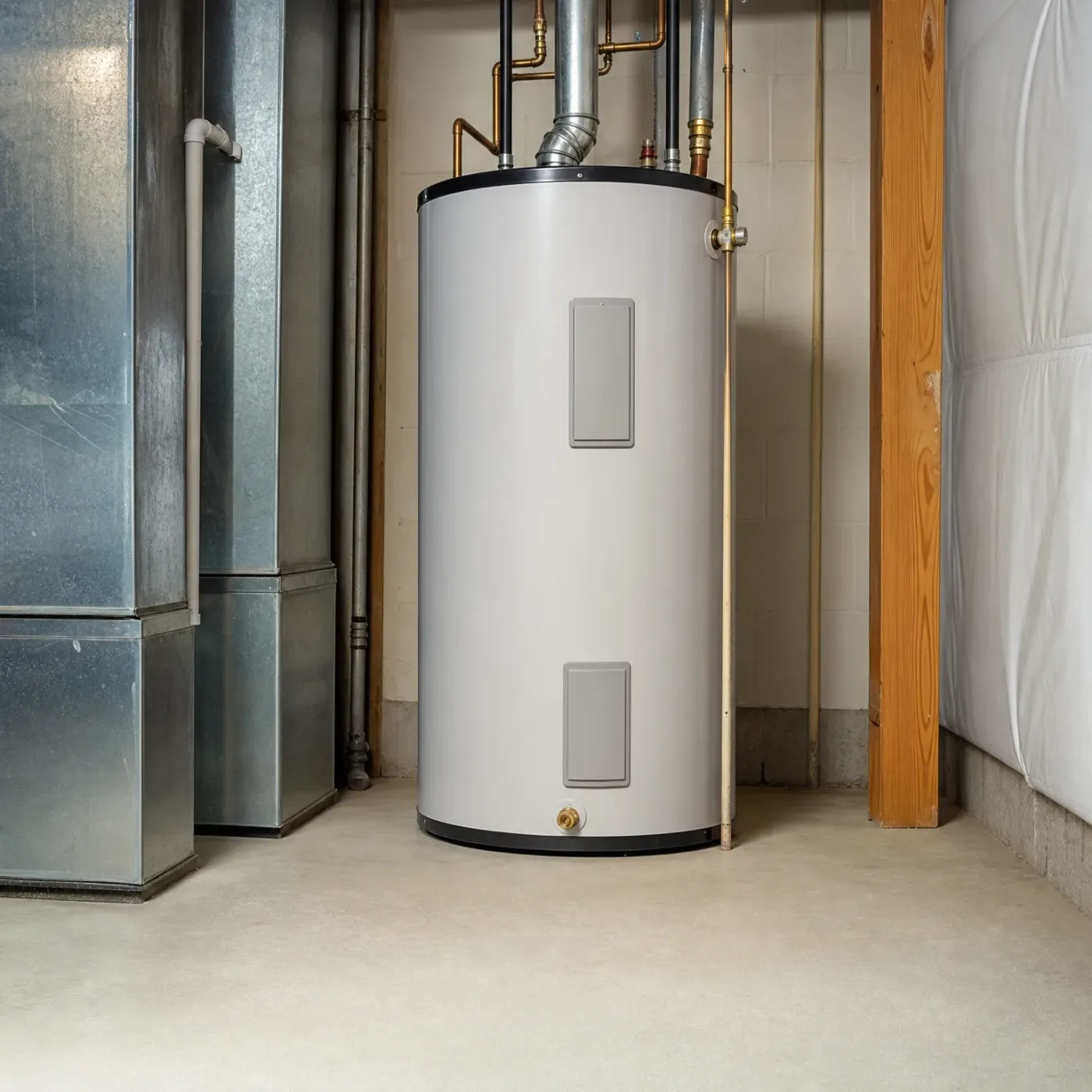
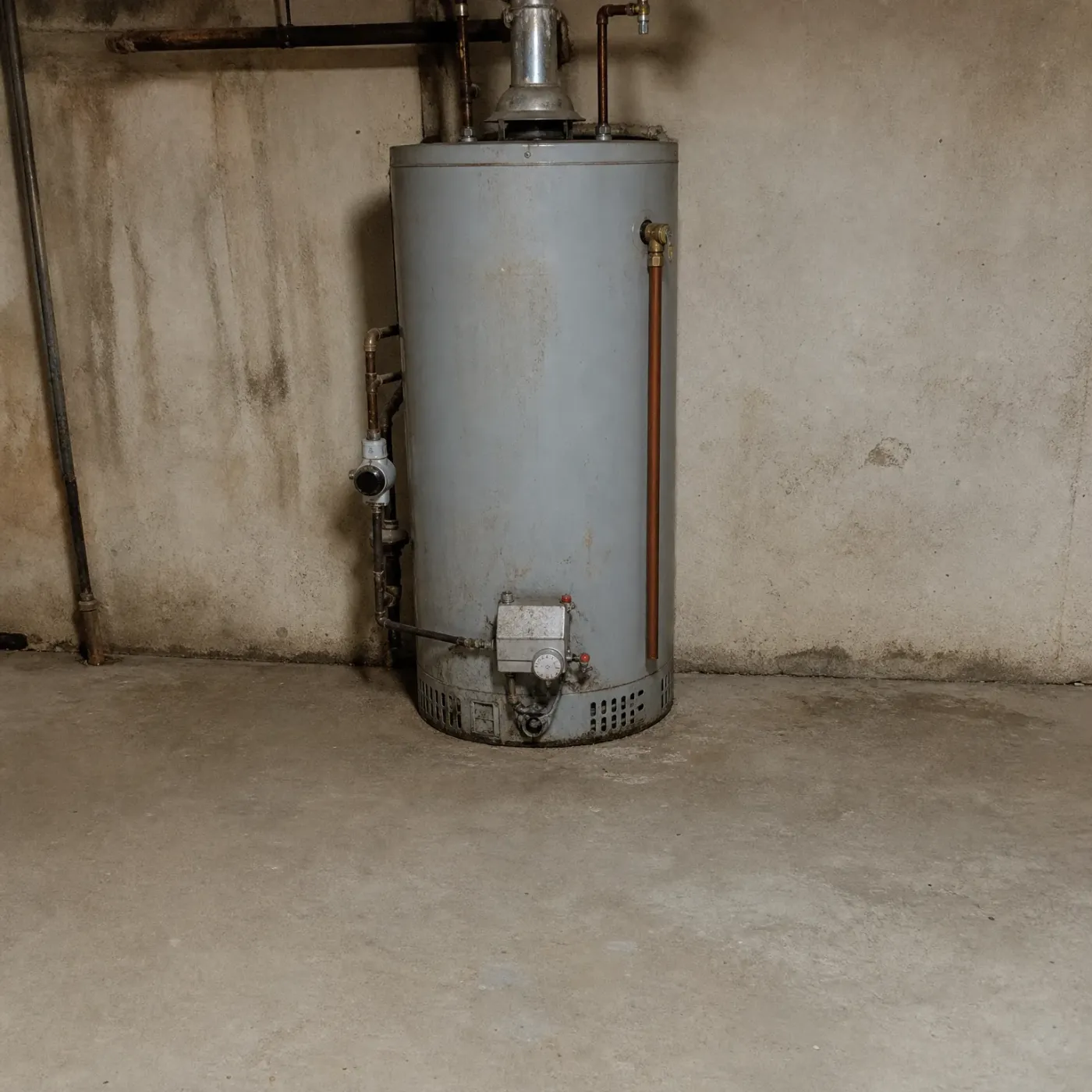
Every gas water heater holds its water inside a steel tank lined with glass. That lining is what keeps the steel from rusting out in a few years instead of many. There's also an anode rod running down the middle, a length of metal that's meant to corrode before the tank does. It draws the corrosion to itself. Once that rod is spent, the tank has nothing left protecting it, and rust starts working on the steel directly, from the inside, where you won't see it until water shows up underneath. By the time a tank is leaking at the bottom, that process is already finished, not starting. Not every leak means that though. A T&P valve lets go when pressure inside climbs higher than it should, which points at the pressure, not the valve. Fittings on top can work loose just from years of the water heating and cooling. And in a damp basement, condensation on the tank can look like a leak before you've traced where the water's really coming from.
How a tank actually fails
- A gas water heater's tank is glass-lined steel, and once that lining cracks, the steel underneath rusts from the inside where you can't see it.
- The anode rod inside the tank is meant to corrode first and protect the steel, and once it's used up, the tank itself starts to go.
- A T&P valve that drips is often responding to pressure built up inside the tank, not failing on its own.
- Fittings on top of the tank, like the cold inlet and hot outlet, can loosen from years of expansion and contraction as the water heats and cools.
- A leak at the bottom of the tank almost always means the tank has already failed inside, even if the outside still looks fine.
- Condensation can form on the tank in a humid basement or utility closet, and it's easy to mistake for a real leak until you trace where the water actually starts.




Hand off the water heater problem
A leaking water heater in New Jersey rarely waits for a good time. Most homes here run on gas, so the tank sits in a basement or utility closet, and once water starts finding its way out, it finds the subfloor, the drywall, whatever's nearby. You could spend the afternoon calling plumbers, listening to voicemail, explaining the same leak five times, then stacking up quotes to see who's honest and who's padding the bill. That's hours you don't have while water keeps finding new places to go. Send the request once and that search stops being yours to run. One contractor gets it, not a handful competing for your callback, and the work of finding someone who can look at the tank, the fittings, the valve, moves off your plate. You still have a leak to deal with. You just stop being the one tracking down who's going to deal with it.
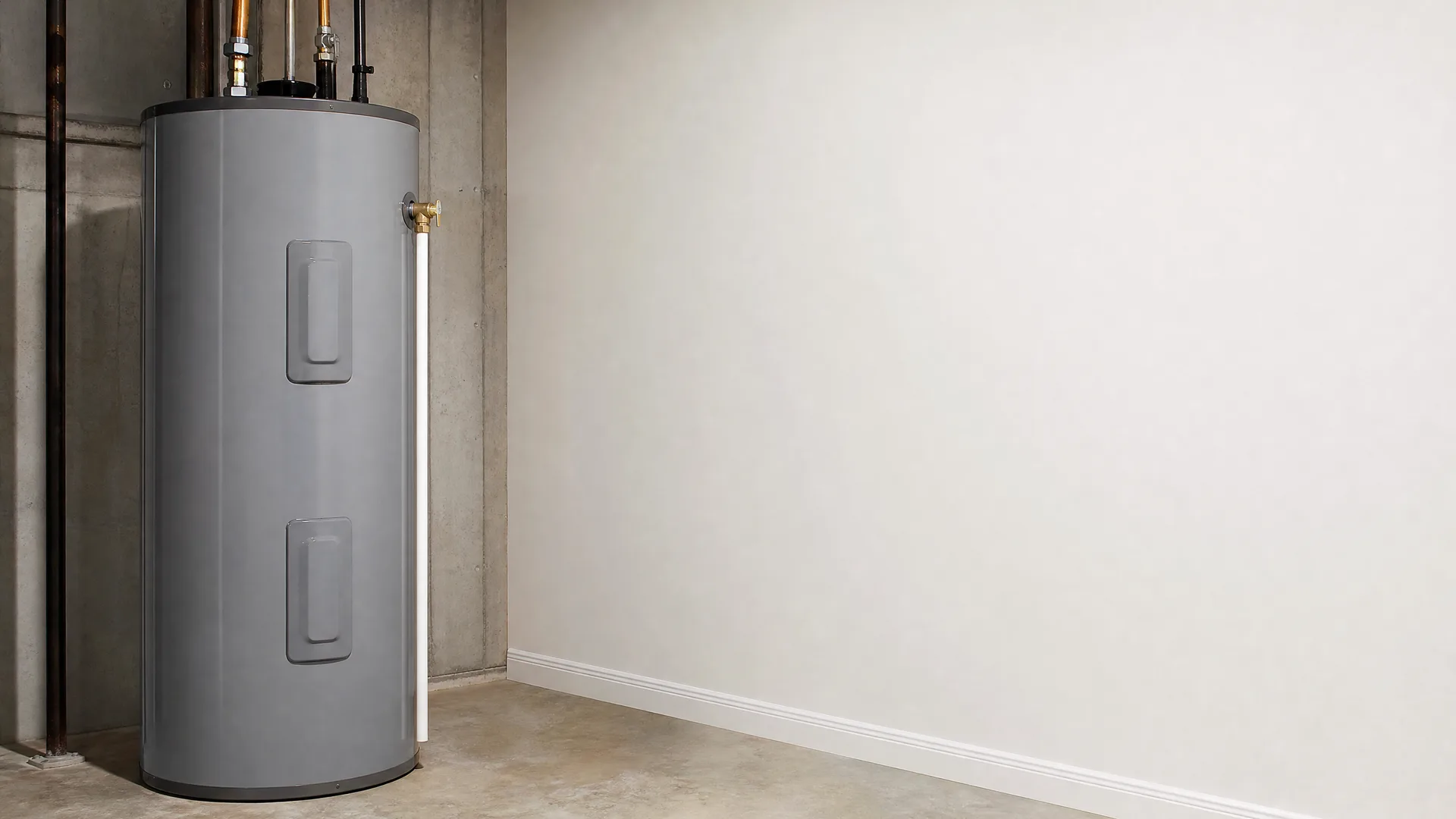
Why the fittings loosen first
A gas water heater heats and cools with every draw, and the tank expands and contracts each time. That movement works on the fittings at the top, the inlet, the outlet, the nipples threaded into the tank. Over time the threads give a little. A fitting that was snug when it was installed can seep years later without any single thing breaking. That's why a leak at the top often shows up as a damp connection rather than a steady drip, and why it's worth checking before assuming the tank itself is done.
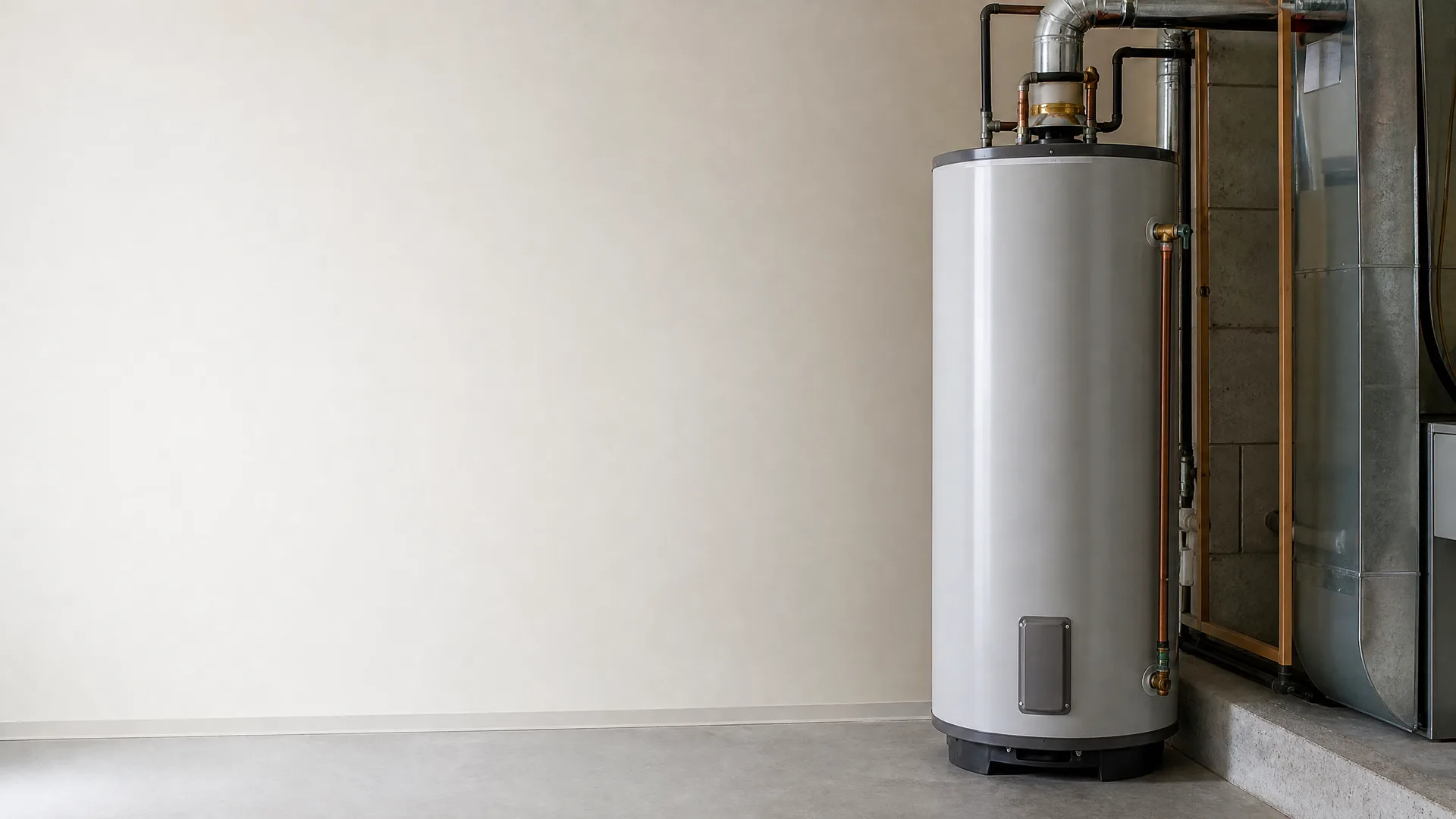
What the relief valve is for
Every gas water heater has a pressure relief valve on the side or top of the tank, and it exists to open if pressure inside climbs too high. Water at that valve isn't always a defect in the valve. It can mean the valve is doing its job because something upstream is building pressure it shouldn't. Either way, water finding its way out there means the valve needs a look, since a relief valve that's stuck or failing is one of the few leaks on a water heater that can turn into a safety problem fast.
What's that damp spot by your water heater
Go look at the base of the tank. A little moisture on the floor, a faint rust color in it, or a musty smell in that corner of the basement all mean the same thing: water is getting out somewhere it shouldn't. You might notice the drywall behind the tank bubbling, or a cardboard box nearby gone soft at the bottom. Sometimes it's just a damp ring that reappears no matter how many times you wipe it up. Left alone, that water finds the subfloor, and a basement in a New Jersey home holds onto moisture long enough to warm into mold. The longer the tank sits in its own leak, the more it corrodes the floor underneath it along with whatever's stored nearby.
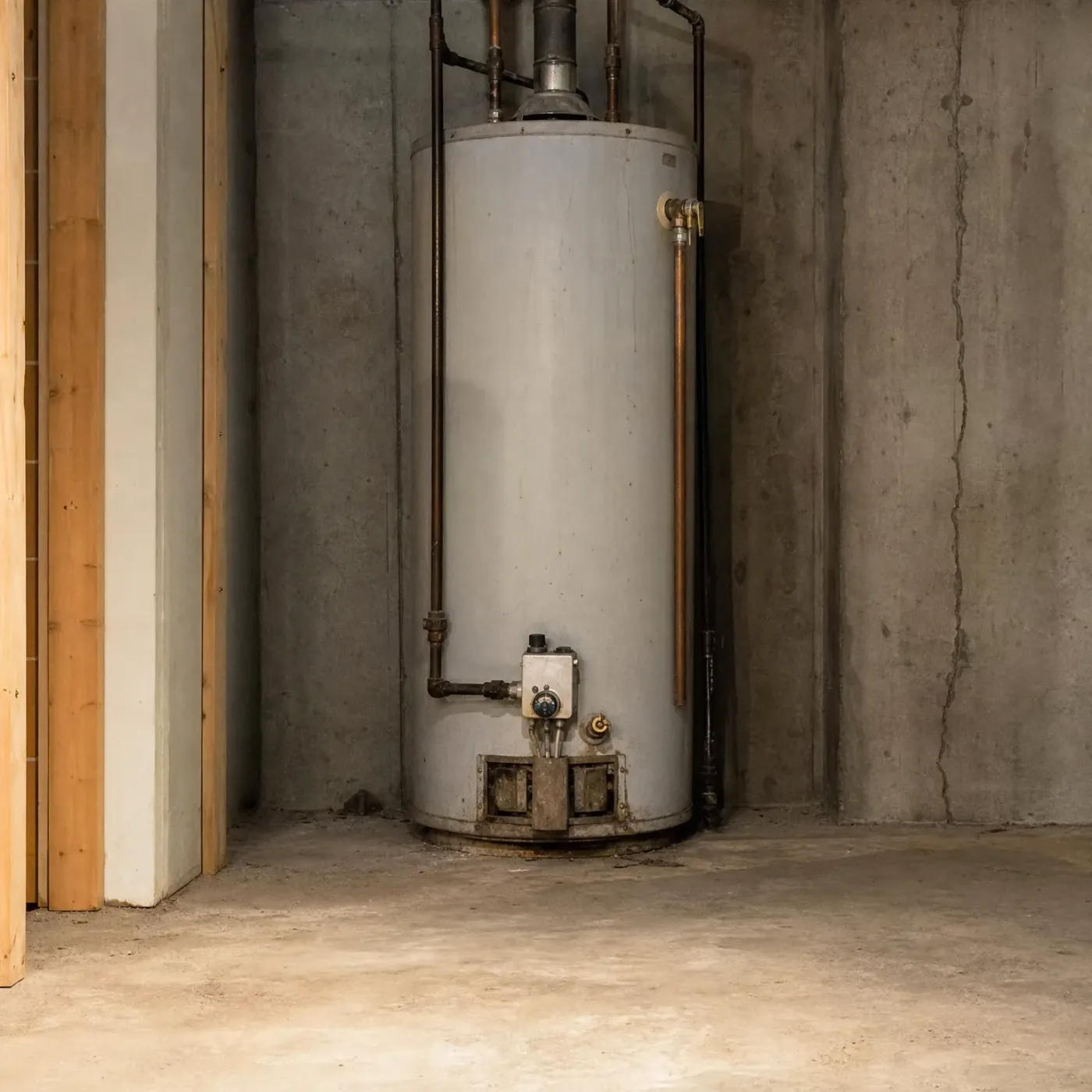
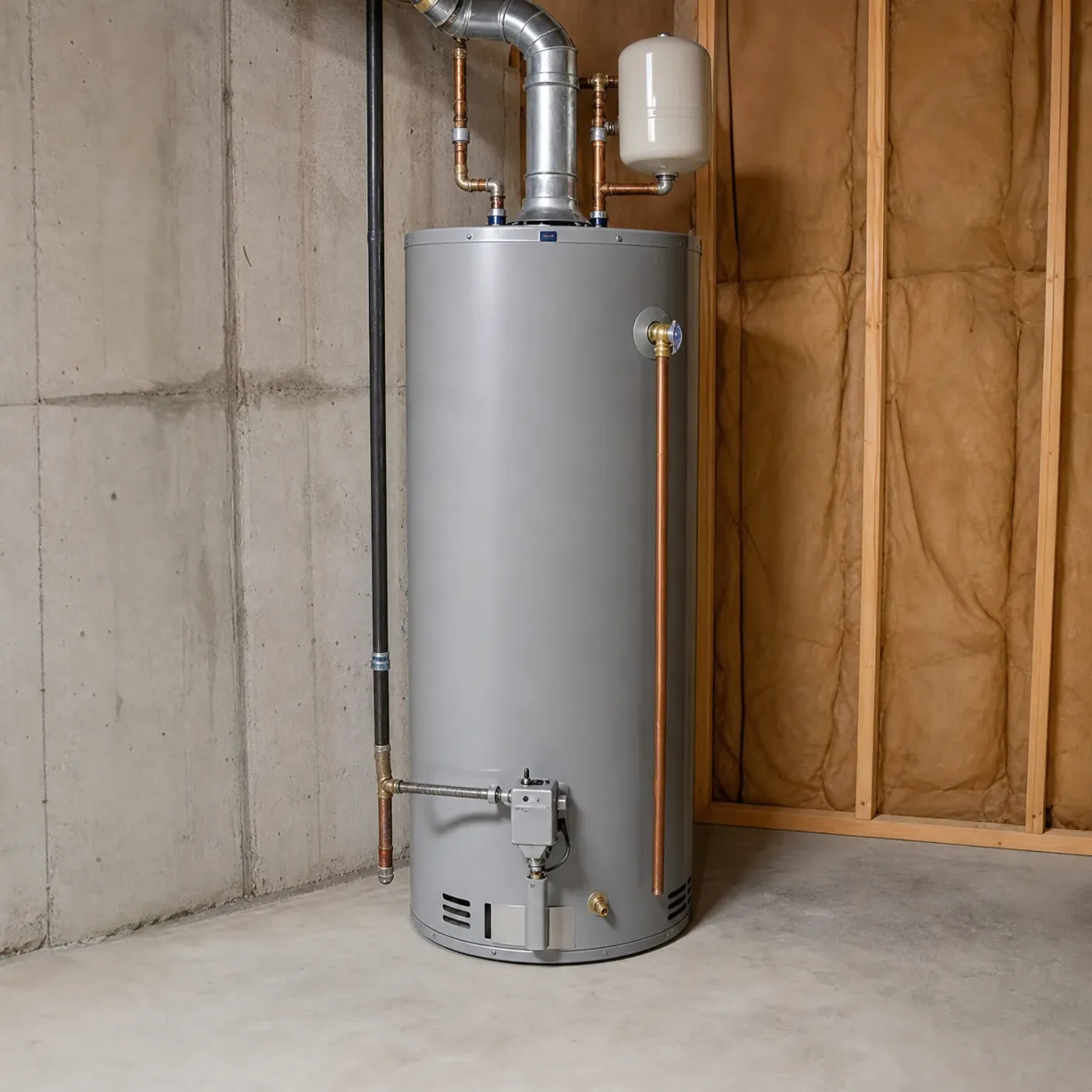
73.1% of homes statewide heat with gas
Most houses in New Jersey heat water with a gas-fired tank, not an electric one. That tank has a burner underneath and flue venting running through it, so a leak isn't only water pooling on the floor. It can mean the firebox or venting is sitting in moisture too, which is a separate problem from the tank itself.
ACS 2020-2024 5-year B25040

A leak means the water heater needs a look, not a guess
Where the water is coming from tells you what's wrong. A fitting can be tightened or replaced. A tank that's rusted through gets swapped out. Either way, the leak won't stop on its own, and the longer it runs the more it soaks into the floor underneath and whatever's built around it.
Sending the form means you're done looking for someone. No scrolling through listings, no calling around to ask who's free, no explaining the same leak over and over to get a price. A contractor gets in touch, looks at what's actually happening with your tank, and tells you what it needs. That part of this stops being your job the moment you send it.

Let someone else find the pro
Answer a few questions instead of calling shop after shop.