
120 to 140 degrees
That's the usual thermostat range on a gas water heater. Sediment bakes harder each time the burner fires, so the noise tends to get louder, not quieter, over time.
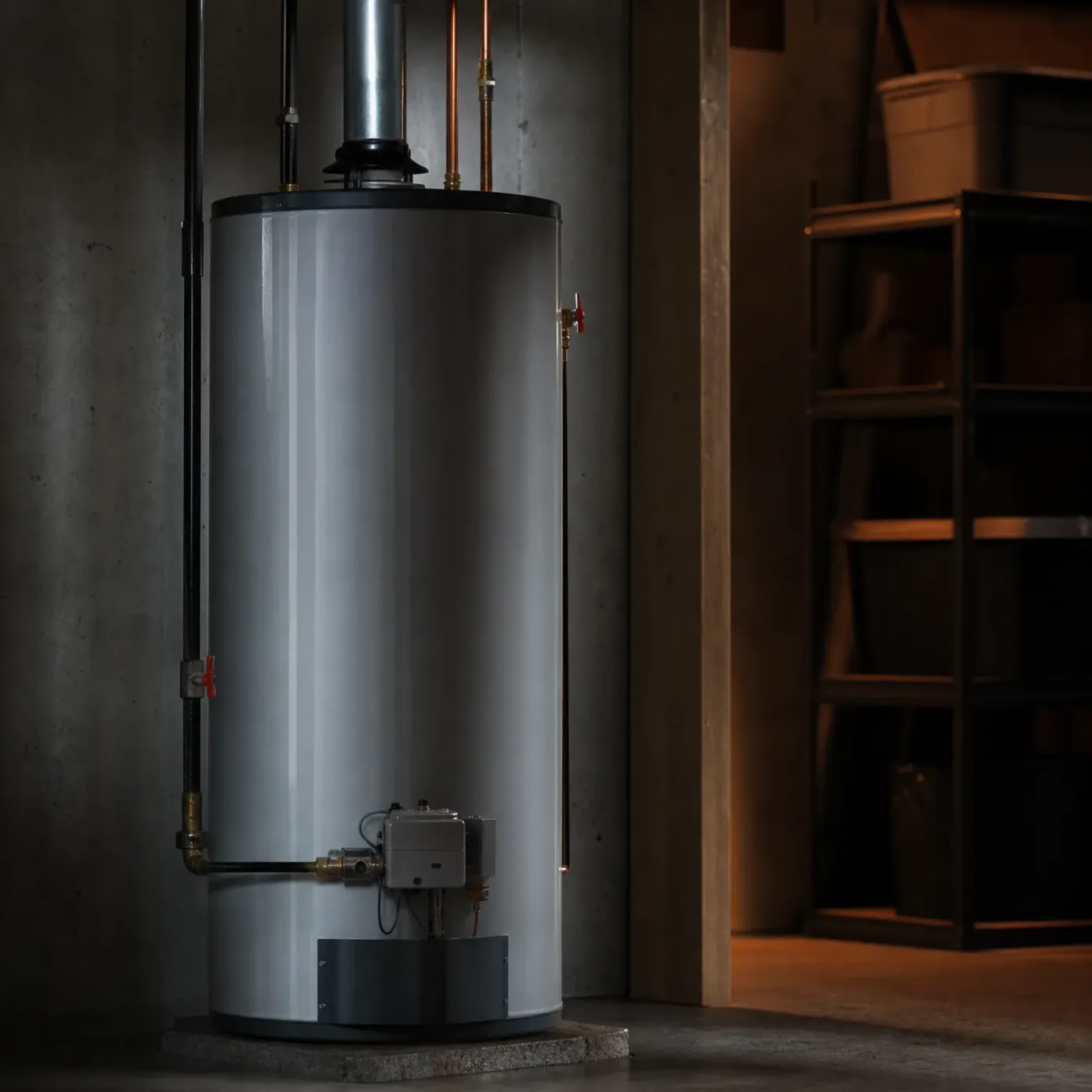
One request and it's handed off
That popping comes from sediment sitting at the bottom of the tank, and it gets worse the longer it builds up. Most New Jersey homes run gas water heaters, and hard water here speeds up the buildup. This page gets into what's happening inside the tank and what it means for the unit. Send the form and stop hunting down someone to look at it.
Hand off my repairThe popping sound is water trapped under a layer of sediment at the bottom of the tank, boiling and pushing bubbles up through it. Most water heaters in New Jersey run on gas, and the burner sits right under that layer, so the sediment bakes hard against the tank floor instead of staying loose. As the layer thickens, it takes more heat to get through it, and the water trapped underneath gets hotter than it should before it breaks free. That's the popping. Left alone, the sediment keeps the burner working harder to heat the same amount of water, and it wears on the tank floor underneath it. The noise itself isn't dangerous, but it's the tank telling you it's overdue for a flush, and the longer that buildup sits, the more it can shorten the life of the tank or lead to a leak.
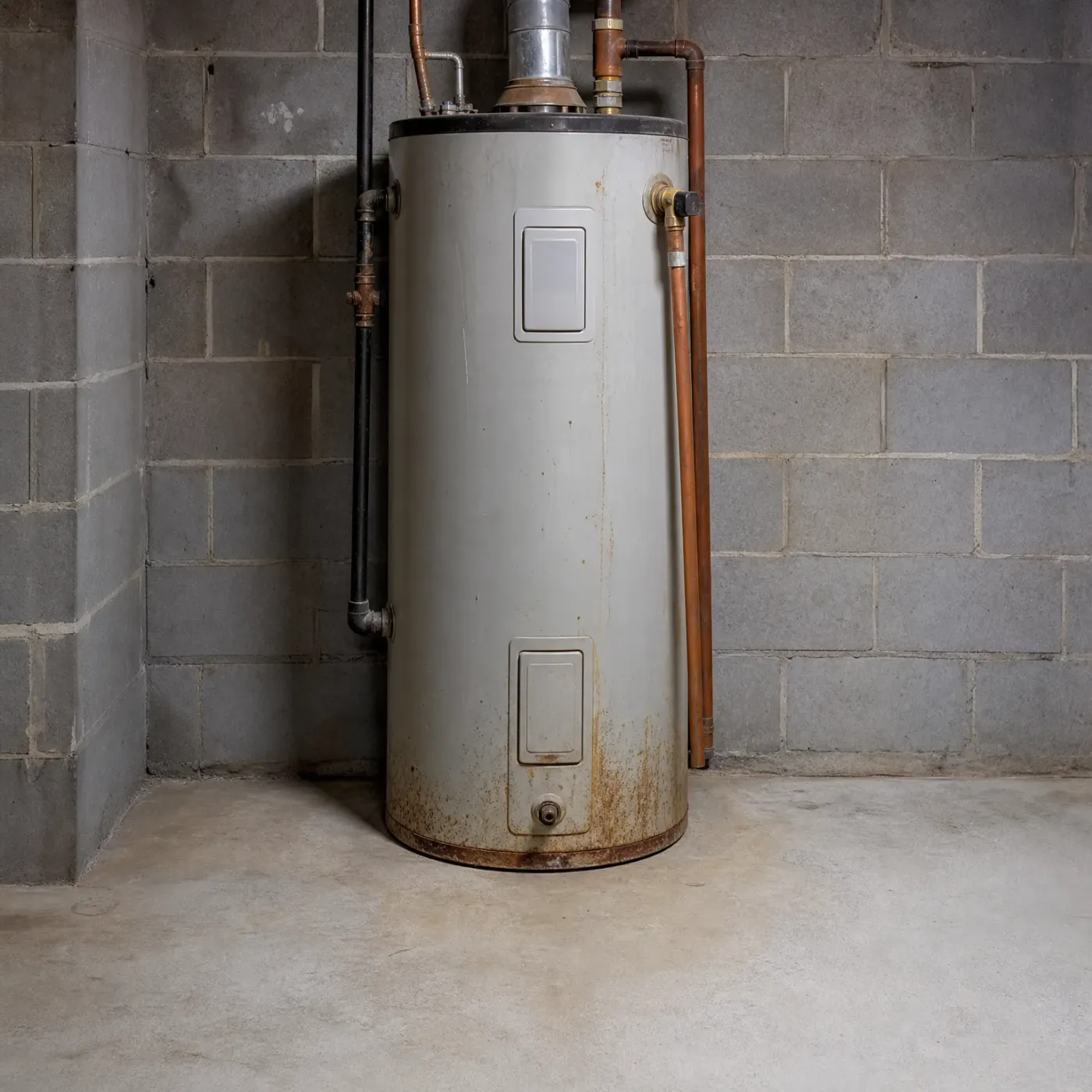
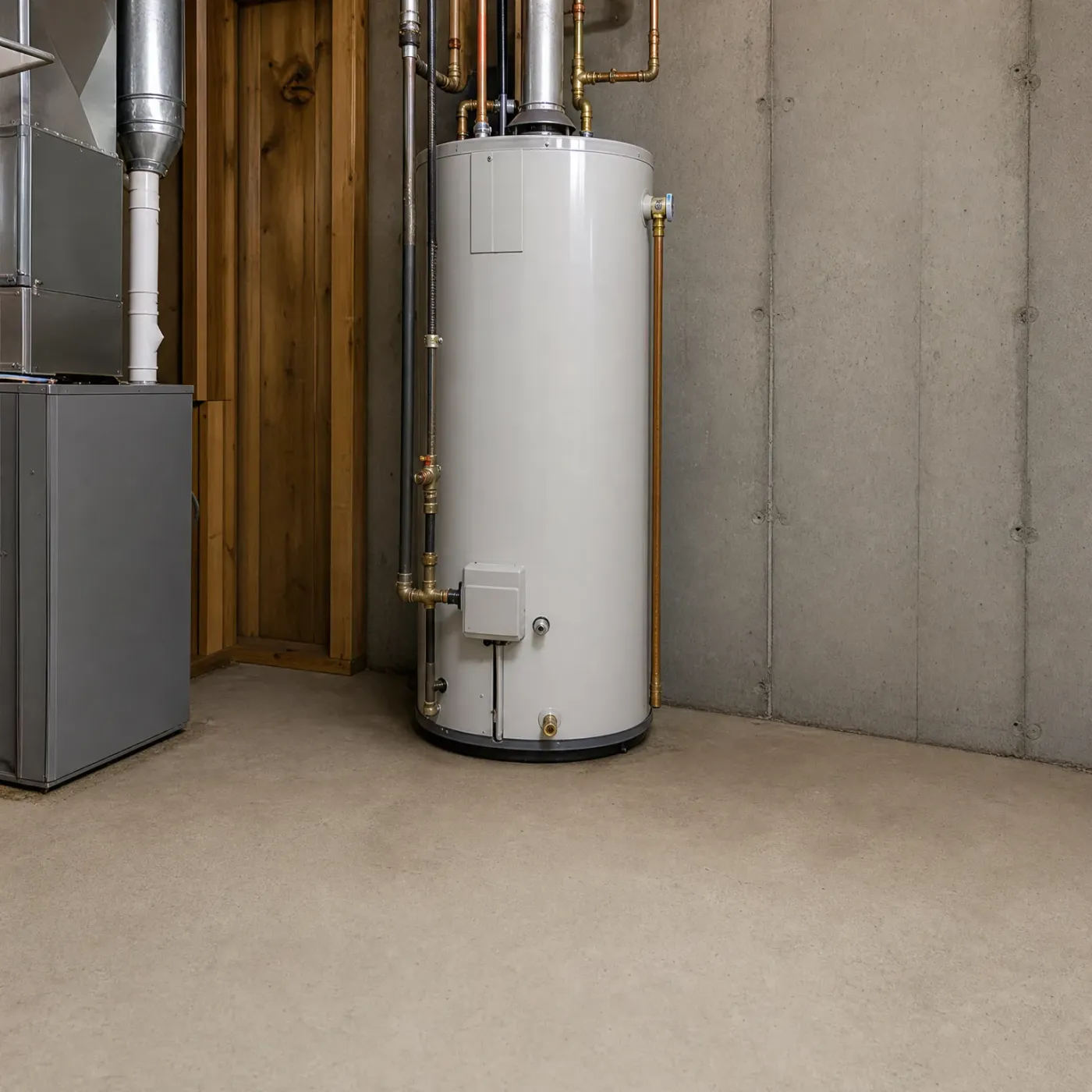
The minerals in your water stay dissolved while it's cold, but heat pushes them out of solution, and they settle to the bottom of the tank. On a gas water heater, the burner fires directly under that spot, so the sediment ends up sitting on the hottest part of the tank. Water gets caught underneath it, and when that water turns to steam, the bubbles have to force their way up through the crust. That's the popping. New Jersey's hard water adds more minerals to the mix than you'd get elsewhere, so the layer forms faster here than it would in a place with softer water. Once it's thick enough, it works like a layer of insulation between the flame and the water, which means the burner has to run longer to do the same job. Left in place long enough, that same layer scorches the steel underneath it, right where the tank already takes the most heat.
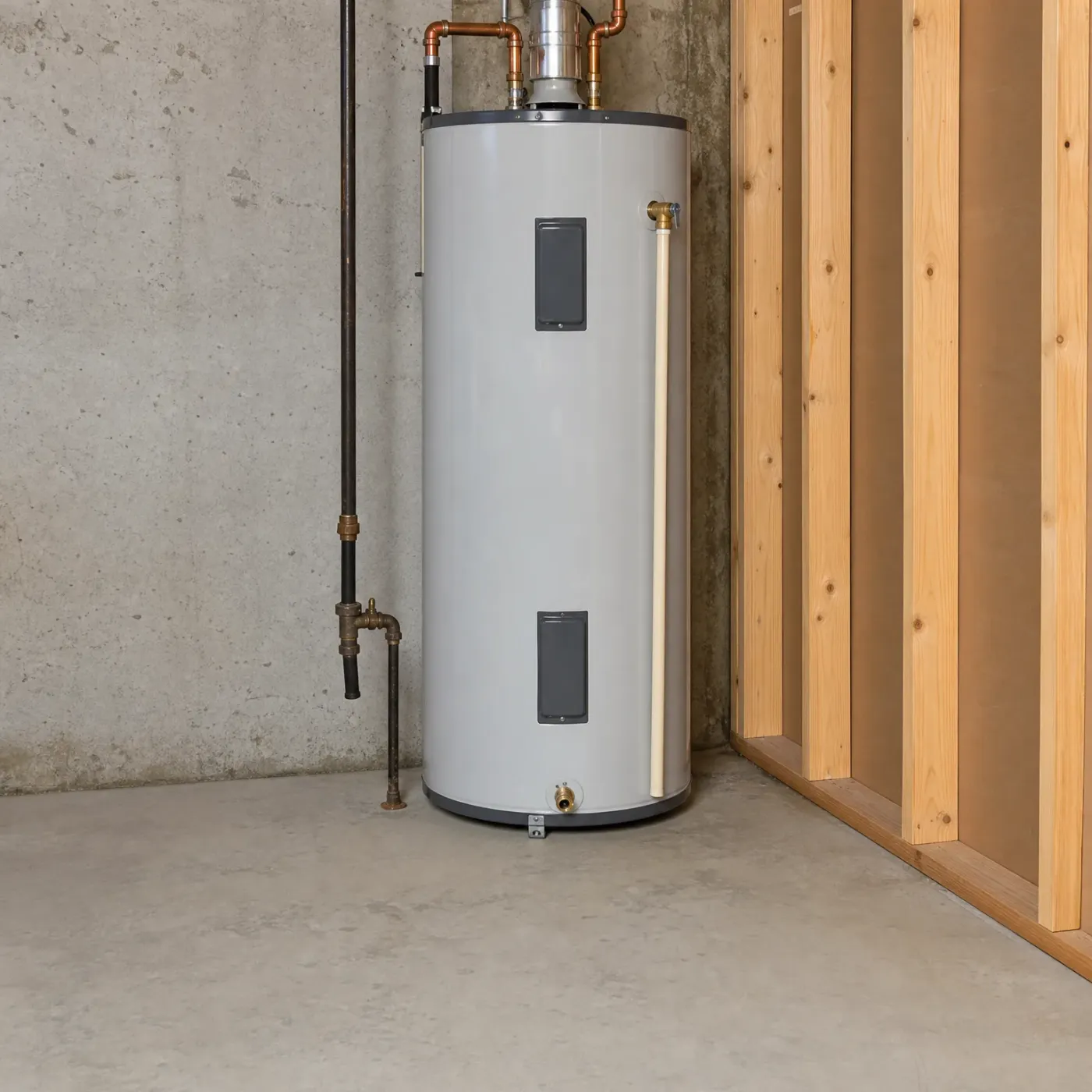
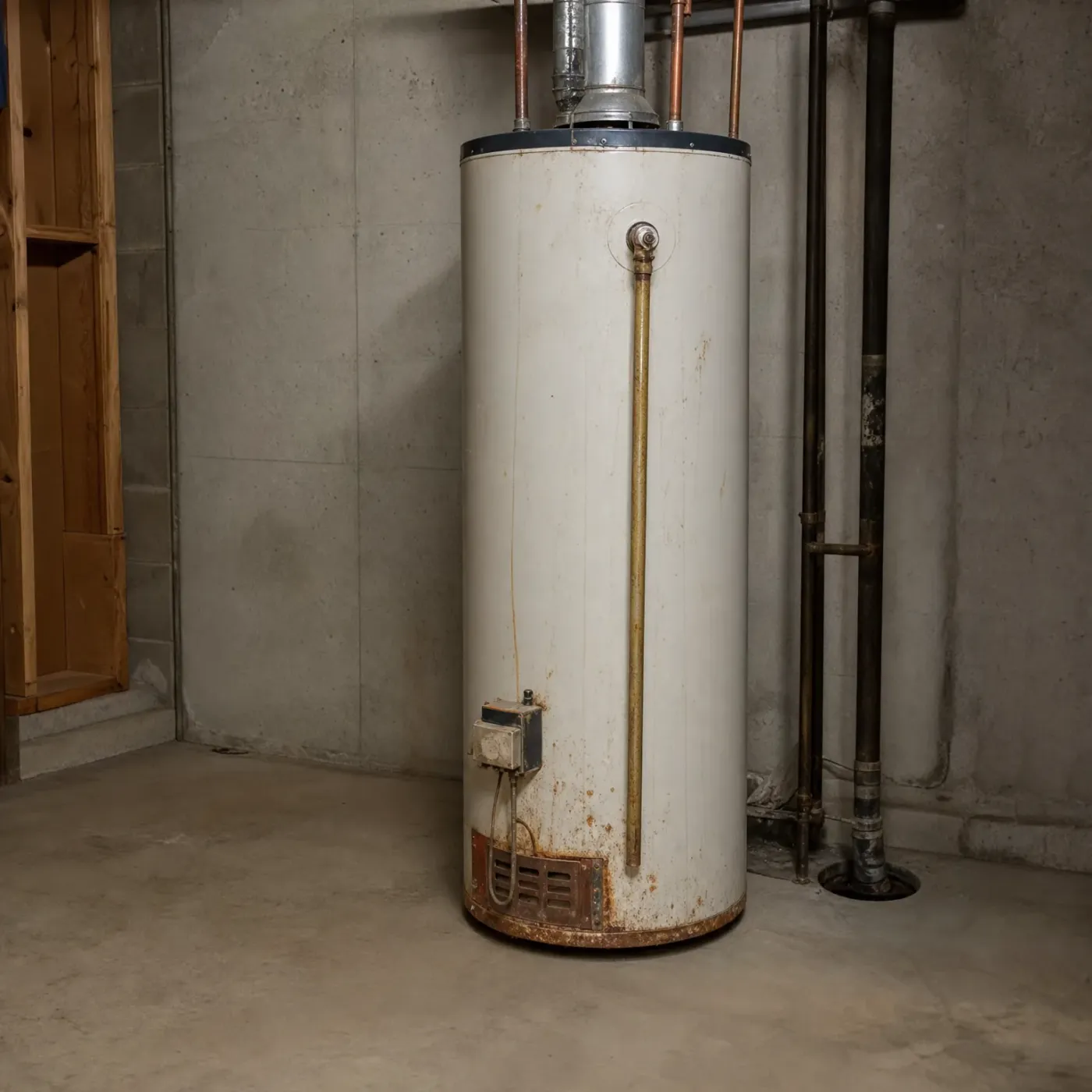




That noise doesn't fix itself. The sediment sitting under the burner keeps baking harder every time the water heats, and a tank that's already working around a hardened layer is working harder than it should to get your water hot. Left alone, that usually ends in a tank that fails sooner than it would have otherwise, and in New Jersey, replacing one costs a lot more than repairing one. You could start calling plumbers, explain the popping to each one, wait on quotes, and try to judge who actually knows tanks versus who's guessing. Or you could send this request once and let someone qualified take it from here. You already know what you heard and roughly how long it's been going on. Hand that off, and the job of tracking down who can look at it stops being yours to carry.
Cold water enters the tank and minerals start dropping out as it heats.
Loose sediment settles into a layer across the tank floor.
The gas burner fires beneath that layer and bakes it hard.
Water seeps underneath the crust and turns to steam.


That's the usual thermostat range on a gas water heater. Sediment bakes harder each time the burner fires, so the noise tends to get louder, not quieter, over time.
A gas water heater has a single burner under the tank floor. Once sediment covers that spot, the metal above it heats unevenly every time hot water runs out.
Gas heats 73.1% of homes in New Jersey, and a gas water heater almost always sits beside that same furnace. That burner underneath the tank is exactly what bakes sediment into a hard layer once it builds up, which is why the popping shows up so often here.
ACS 2020-2024 5-year B25040
You're up before work, and the bathroom upstairs is still cold enough that the towel on the rail hasn't warmed at all. You turn the shower on and wait for steam that doesn't come. The water runs, but there's no fog on the mirror, no warmth filling the room the way there should be on a January morning. Downstairs, you can hear it before you even think to listen for it: a dull popping from the water heater, like something tapping the inside of the tank. You stand there a second longer, water still running, trying to decide if today's the day you deal with it or if you can get through one more shower and figure it out tonight.

The popping in your tank is sediment baking under the burner, and it only gets worse from here. That part is settled. What happens next is a technician looking at the tank itself, deciding whether it's a flush or something further along, given the rust, the sound, the age of the unit.
You don't have to spend tonight searching for a plumber who works on water heaters, calling a few, explaining the popping to each one, then sitting with quotes trying to guess which contractor is telling you the truth. Send the form and that part is done. Someone licensed for this gets in touch, looks at what's actually going on under that burner, and tells you straight what it needs.


Hand off the search today



