Tell us about the job
Takes about a minute. No obligation.
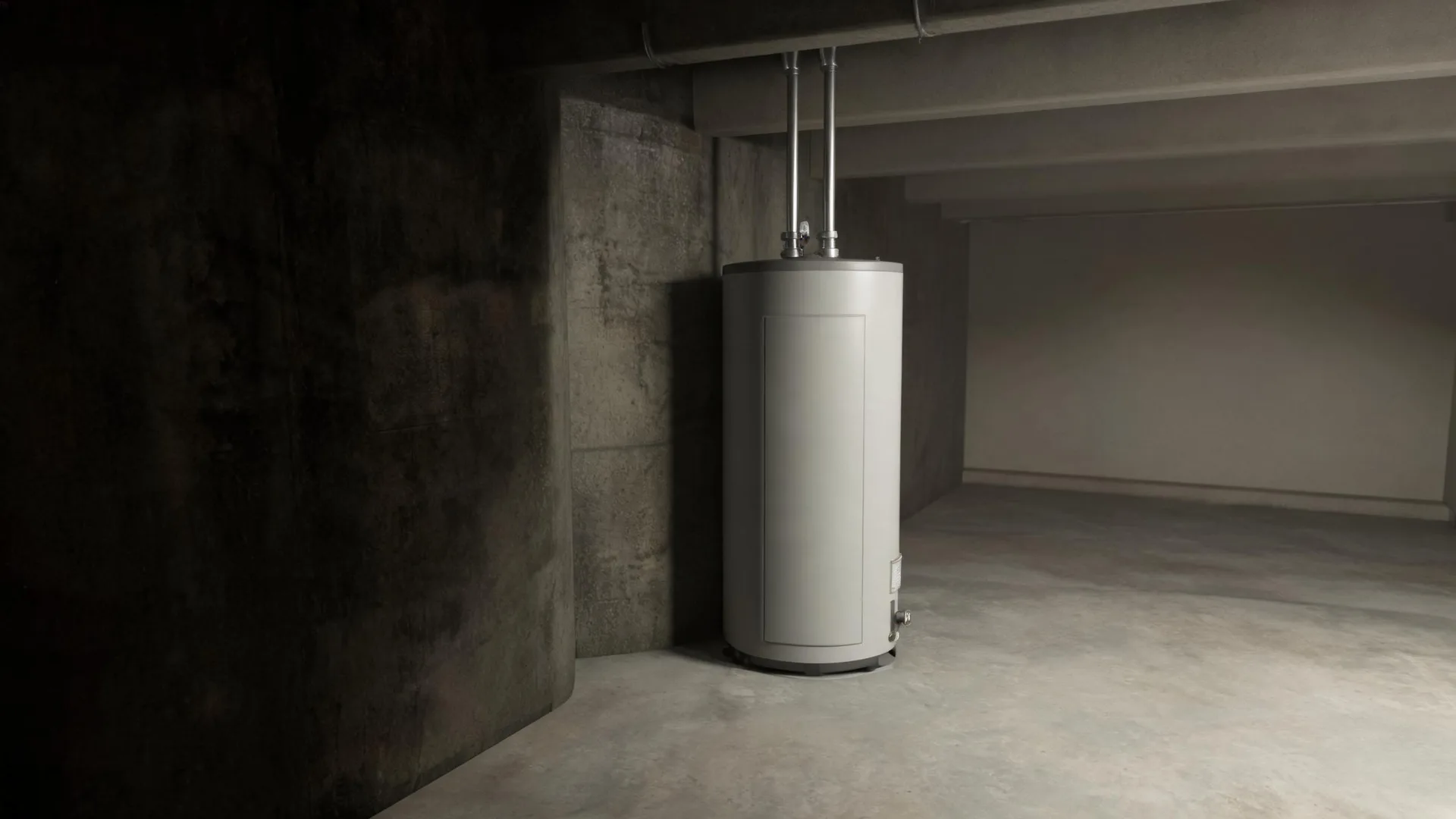
Gas-fired water heaters put specific wear on a short list of components: the burner assembly, the thermocouple or thermopile, the gas valve, and the flue. Utility gas heats more occupied homes in Burlington County, New Jersey than any other fuel, at 70.1% (2020-2024 ACS 5-year). A contractor diagnosing a repair here starts at the combustion side, because those parts carry the load every time the tank calls for heat. Sediment buildup at the bottom of the tank accelerates that cycle, shortening burner intervals and putting more starts on the ignition system. A flue that vents improperly becomes a safety issue, not just an efficiency one, and gas appliances require that check before any other work proceeds.
A water heater in a house this old has been working against hard water and thermal cycling long enough that what a contractor finds inside the tank decides the job more than what the unit looks like from the outside. Half the homes in Burlington County, New Jersey were built in 1977 or earlier (2020-2024 ACS 5-year). That history shows up as sediment packed at the base, an anode rod eaten down to the core wire, and fittings that have not moved since the original install. A contractor opening the unit in Burlington County quotes from those conditions, not from the model number on the label.
The Parts of a Water Heater a Contractor Checks During a Repair
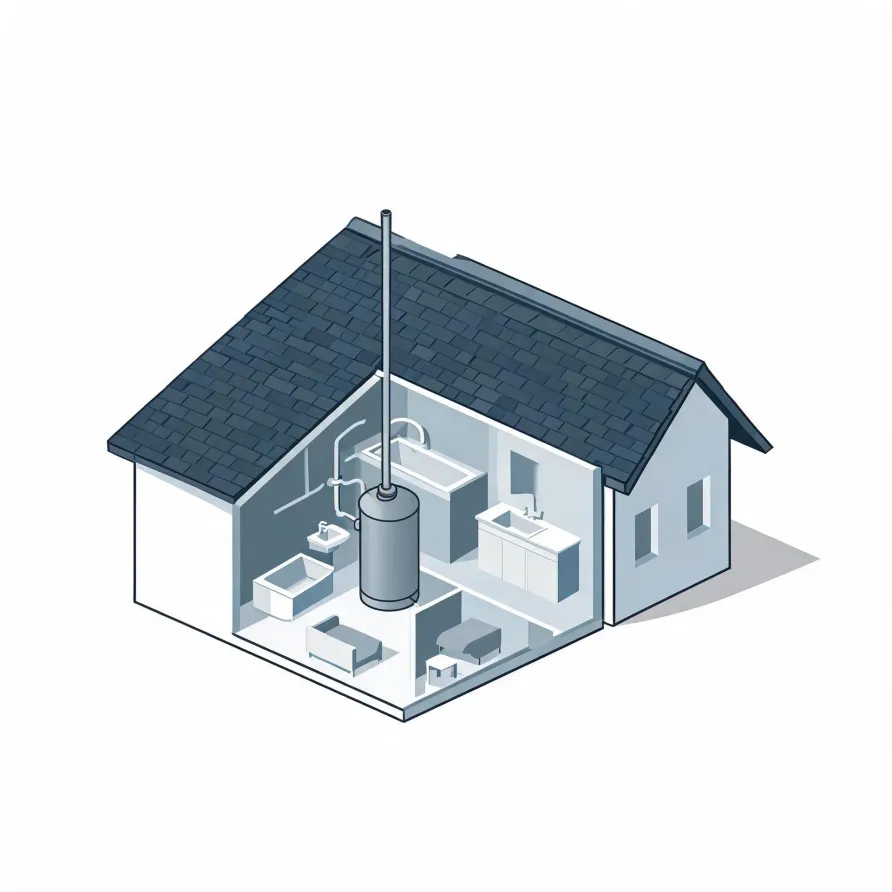
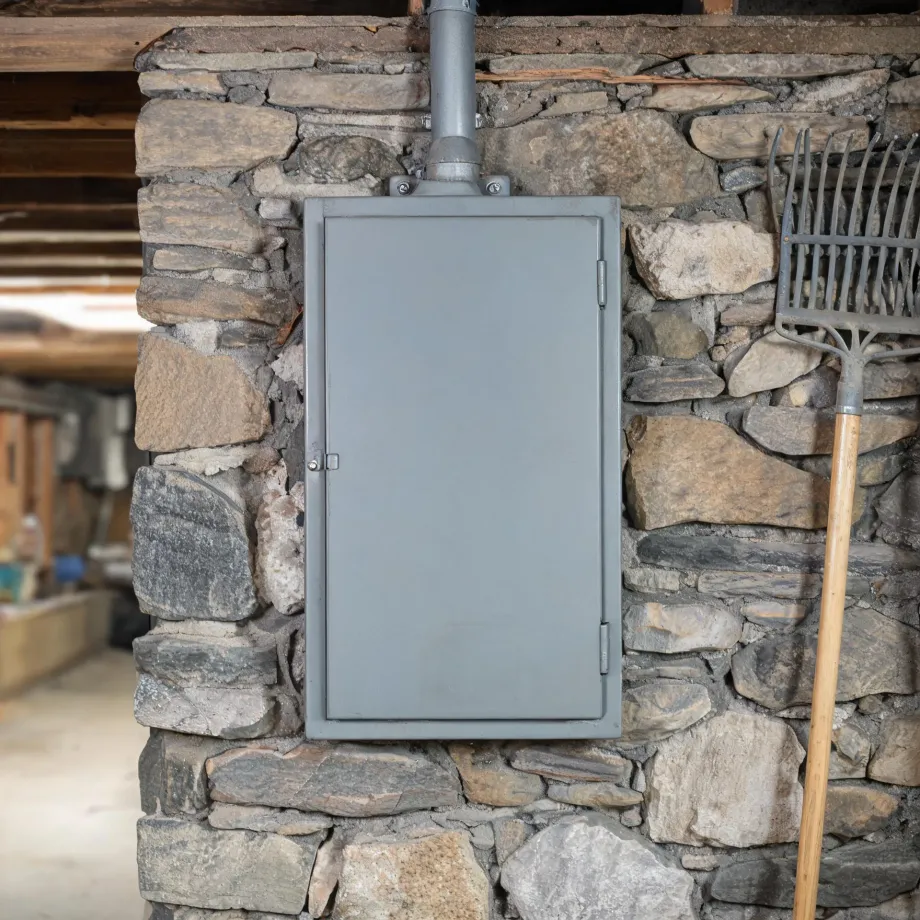
The tank is the piece most homeowners recognize, a large insulated vessel that sits in a utility room, basement, or garage and holds a supply of heated water. The burner assembly or heating element lives at the base or inside the tank, depending on the fuel type, and when a repair call comes in, this is where a contractor looks first.
The thermostat controls the target temperature and sits mounted against or inside the tank wall. The pressure relief valve is a safety device threaded into the tank's upper body, and the anode rod runs down into the tank's interior to slow corrosion from within. The supply and outlet connections at the top of the tank tie the whole unit into the home's plumbing.
The drawing shows a typical water heater layout, and a licensed contractor will assess which parts apply to the specific unit and setup in your home.
Get matched in Burlington CountyBurlington County, by the numbers
514 severe weather events were recorded in Burlington County, New Jersey between 2015 and 2024.
NOAA National Centers for Environmental Information, Storm Events Database, bulk CSV export, events 2015-01-01 through 2024-12-31.Half the homes in Burlington County, New Jersey were built in 1977 or earlier (2020-2024 ACS 5-year).
U.S. Census Bureau, 2020-2024 American Community Survey 5-Year EstimatesBurlington County, New Jersey holds 186,315 housing units (2020-2024 ACS 5-year).
U.S. Census Bureau, 2020-2024 American Community Survey 5-Year EstimatesOwners occupy 76.1% of the occupied homes in Burlington County, New Jersey (2020-2024 ACS 5-year).
U.S. Census Bureau, 2020-2024 American Community Survey 5-Year EstimatesCodes & Standards Governing Water Heater Repair in Burlington County, New Jersey2 sourced rules and standards
Licensing and Legal Requirements in Burlington County, New Jersey
In New Jersey the HVACR licence is the State's alone: a municipality, local board of health or any other agency may not issue or renew a Master HVACR contractor's licence.
New Jersey requires a Master HVACR contractor licence: no person or business may engage in the business of HVACR contracting, or advertise as a Master HVACR contractor, without being authorised under the State HVACR Contracting License Law.
Severe Weather Events in Burlington County
Extreme weather puts real strain on water heaters, forcing them to work harder and fail sooner. How much pressure the local climate puts on equipment is a Burlington County question, and it shapes what repair work looks like here.
514 severe weather events, 2015–2024. Source: NOAA National Centers for Environmental Information, Storm Events Database.