Tell us about the job
Takes about a minute. No obligation.
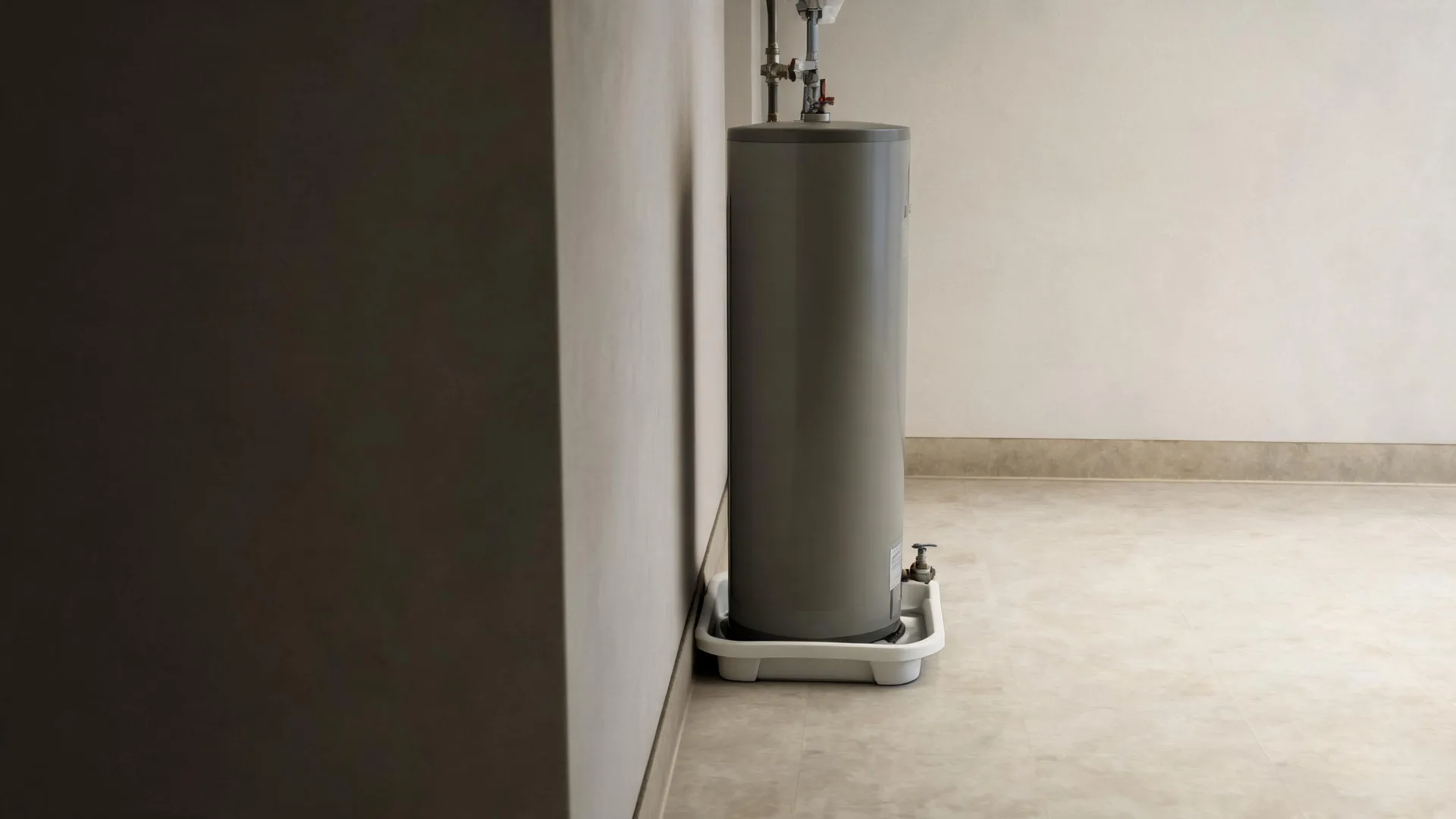
Gas water heaters run every day of the year, not just through a heating season, so the burner assembly, thermocouple, and ignition components accumulate wear steadily. Utility gas heats more occupied homes in Atlantic County, New Jersey than any other fuel, at 71.3% (2020-2024 ACS 5-year). That share of the housing stock means most repair calls in this county land on gas equipment, and a contractor working through a diagnosis looks first at what continuous combustion cycling has done to the burner orifice and the ignition system before settling on a fix. Sediment in the tank compounds that picture, because hard cycling accelerates buildup at the base where the burner fires. A component that looks marginal on inspection usually is.
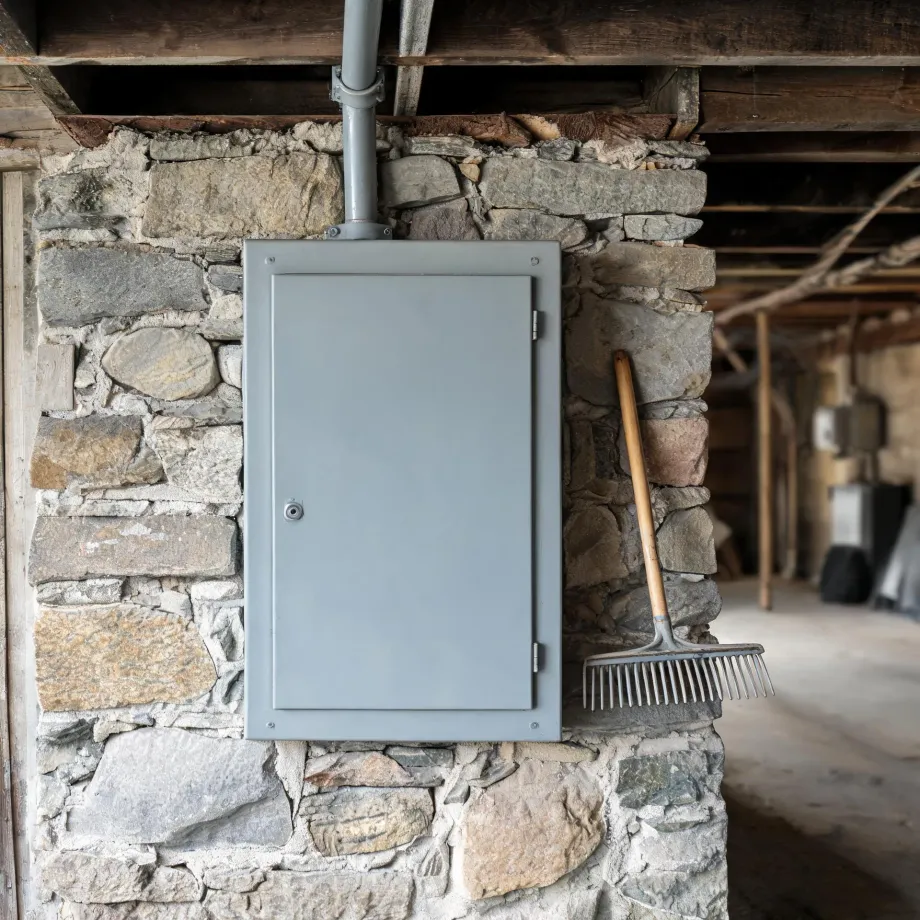
Older pipe runs, corroded fittings, and electrical connections that have been spliced or rerouted over the years are what a contractor typically encounters once a water heater is pulled and the space behind it is visible. Half the homes in Atlantic County, New Jersey were built in 1978 or earlier (2020-2024 ACS 5-year). That depth of history in a house's infrastructure means the repair scope is set by what the surrounding system actually is, not by what the unit itself shows on the surface. A water heater that appears to need a single part sometimes sits inside plumbing that will push the job further the moment work begins.
The Parts of a Water Heater a Contractor Checks During a Repair
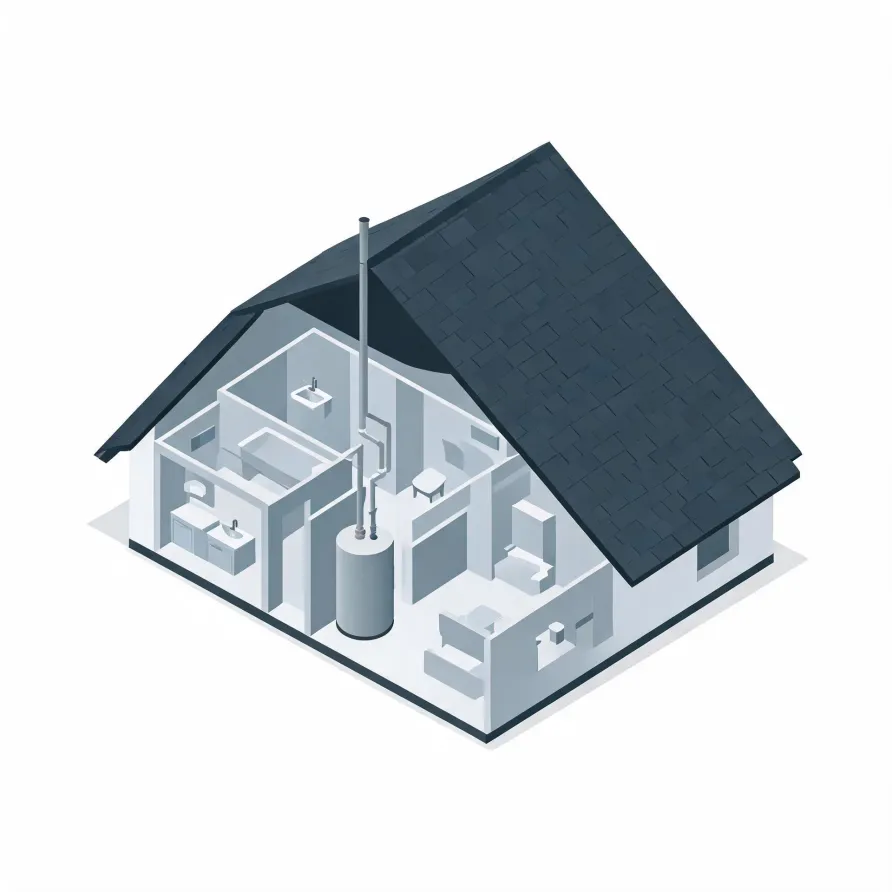
The tank is the piece a homeowner notices first, usually sitting in a utility closet, basement, or garage, and its job is to hold and heat a supply of water. The burner assembly or heating element sits at the base or inside the tank and is where heat is actually produced. When a repair call comes in, these are the pieces a contractor looks at first.
The thermostat, which mounts on the tank itself, reads the water temperature and signals the burner or element to run. The pressure relief valve and the anode rod both sit on or inside the tank: the valve vents dangerous pressure buildup, and the rod slows corrosion from the inside out. A contractor will check each of these when tracing what went wrong.
The drawing shows a general layout of how these parts relate to one another, and a licensed contractor determines what applies to the specific unit and setup in your home.
Get matched in Atlantic CountyAtlantic County, by the numbers
146 severe weather events were recorded in Atlantic County, New Jersey between 2015 and 2024.
NOAA National Centers for Environmental Information, Storm Events Database, bulk CSV export, events 2015-01-01 through 2024-12-31.Half the homes in Atlantic County, New Jersey were built in 1978 or earlier (2020-2024 ACS 5-year).
U.S. Census Bureau, 2020-2024 American Community Survey 5-Year EstimatesAtlantic County, New Jersey holds 132,199 housing units (2020-2024 ACS 5-year).
U.S. Census Bureau, 2020-2024 American Community Survey 5-Year EstimatesOwners occupy 68.7% of the occupied homes in Atlantic County, New Jersey (2020-2024 ACS 5-year).
U.S. Census Bureau, 2020-2024 American Community Survey 5-Year EstimatesCodes & Standards Governing Water Heater Repair in Atlantic County, New Jersey2 sourced rules and standards
Licensing and Legal Requirements for HVAC Repair in Atlantic County, New Jersey
In New Jersey the HVACR licence is the State's alone: a municipality, local board of health or any other agency may not issue or renew a Master HVACR contractor's licence.
New Jersey requires a Master HVACR contractor licence: no person or business may engage in the business of HVACR contracting, or advertise as a Master HVACR contractor, without being authorised under the State HVACR Contracting License Law.
Severe Weather Events in Atlantic County
Atlantic County weather puts real strain on water heaters, driving the kind of temperature swings and power disruptions that accelerate wear and push equipment toward failure. How often that pressure shows up here shapes what repair work looks like and how often it becomes urgent.
146 severe weather events, 2015–2024. Source: NOAA National Centers for Environmental Information, Storm Events Database.