Tell us about the job
Takes about a minute. No obligation.
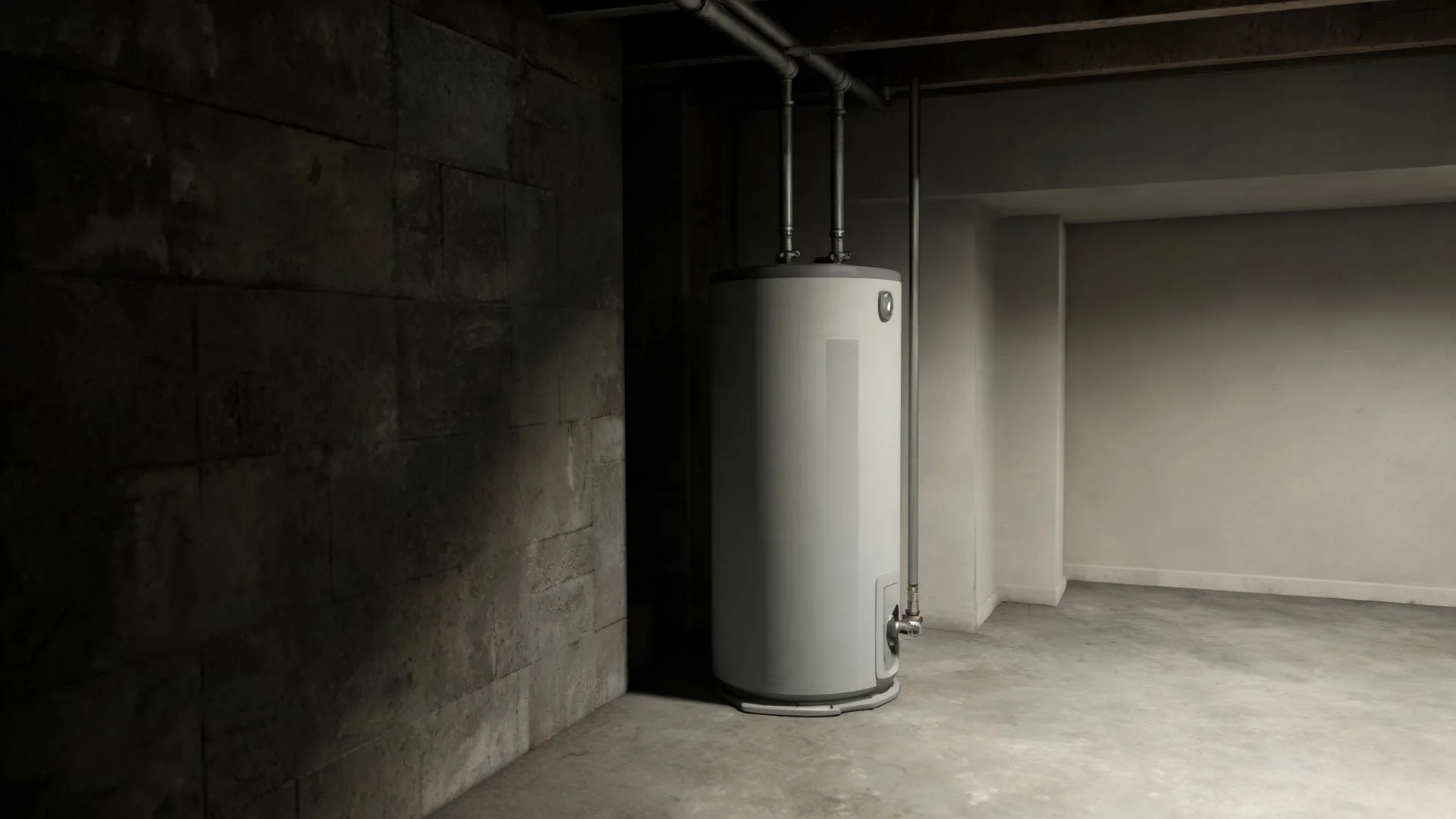
Gas-fired water heaters run every day of the year, cycling their burners and igniters through thousands of firings across the life of the unit. Utility gas heats more occupied homes in Salem County, New Jersey than any other fuel, at 47.9% (2020-2024 ACS 5-year). With gas this dominant, contractors arriving on a repair call here are almost always working on gas equipment, which means the diagnostic path is consistent: burner condition, thermocouple or thermopile output, gas valve function, and venting integrity. A water heater that is short-cycling or failing to light has usually worn through one of those components, and a contractor can move to them directly rather than ruling out other fuel types first.
What a contractor opens in a Salem County water heater often reflects a generation of residential construction that designed for different fuel costs and simpler household demand. Half the homes in Salem County, New Jersey were built in 1962 or earlier (2020-2024 ACS 5-year). Equipment installed into that stock has turned over, but the underlying infrastructure around it has frequently not, and a water heater that fails here may have been running on plumbing and supply lines that predate it by decades. Once a contractor opens the unit, the question that decides the job is whether the replacement parts it takes are still in the supply chain. Older water heater models draw on components that manufacturers have phased out, and a repair that looks straightforward from the outside can stall on a part that requires sourcing.
The Parts of a Water Heater a Contractor Checks During a Repair
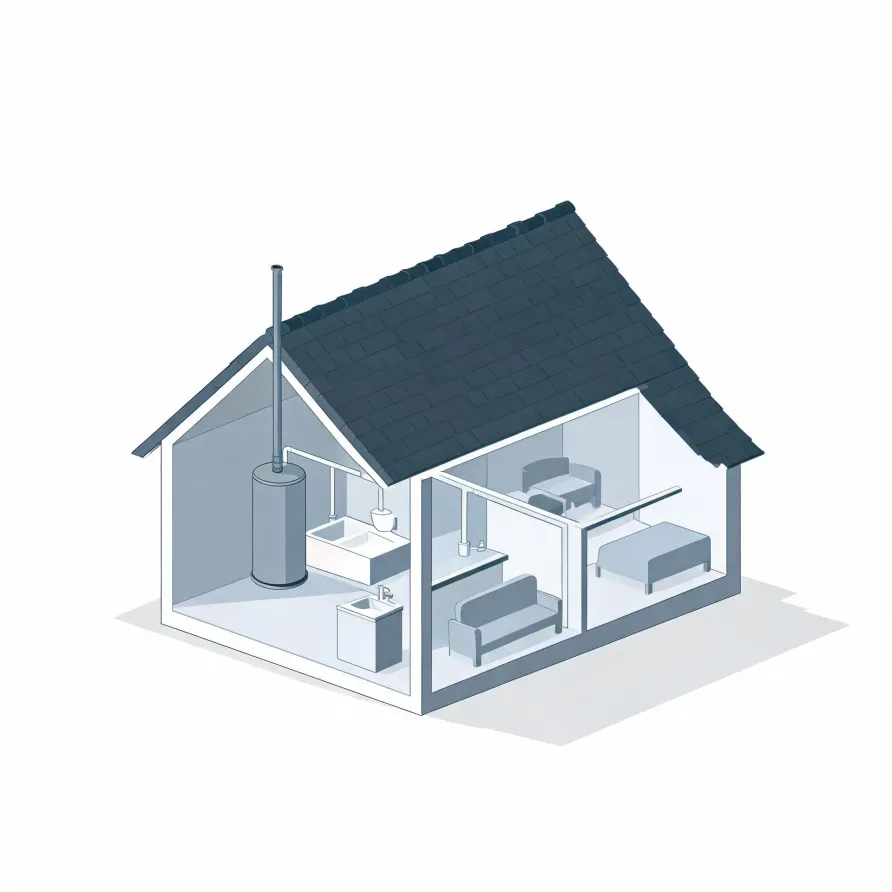
The tank is the piece most homeowners recognize, sitting in a utility room, basement, or closet and holding the water that gets heated for the whole house. The burner or heating element sits at or near the base of the tank and is often where a repair starts, since a unit that produces no hot water or inconsistent hot water points straight to it.
The thermostat controls the temperature the unit holds and can cause complaints ranging from scalding water to a cold supply when it drifts or fails. The pressure relief valve mounts on the side of the tank and is a safety device a contractor checks for proper function. The anode rod runs down through the tank interior and slows corrosion from the inside out.
The drawing beside this text shows a general layout of these components, and a licensed contractor determines what applies to the specific unit and installation in your home.
Get matched in Salem CountySalem County by the Numbers
92 severe weather events were recorded in Salem County, New Jersey between 2015 and 2024.
NOAA National Centers for Environmental Information, Storm Events Database, bulk CSV export, events 2015-01-01 through 2024-12-31.Half the homes in Salem County, New Jersey were built in 1962 or earlier (2020-2024 ACS 5-year).
U.S. Census Bureau, 2020-2024 American Community Survey 5-Year EstimatesSalem County, New Jersey holds 27,732 housing units (2020-2024 ACS 5-year).
U.S. Census Bureau, 2020-2024 American Community Survey 5-Year EstimatesOwners occupy 71.0% of the occupied homes in Salem County, New Jersey (2020-2024 ACS 5-year).
U.S. Census Bureau, 2020-2024 American Community Survey 5-Year EstimatesCodes & Standards Covering Water Heater Repair in Salem County, New Jersey2 sourced rules and standards
What Salem County and New Jersey Require for HVAC Repair
In New Jersey the HVACR licence is the State's alone: a municipality, local board of health or any other agency may not issue or renew a Master HVACR contractor's licence.
New Jersey requires a Master HVACR contractor licence: no person or business may engage in the business of HVACR contracting, or advertise as a Master HVACR contractor, without being authorised under the State HVACR Contracting License Law.
Severe Weather Events in Salem County
Extreme weather puts real strain on water heaters, which cycle harder to hold temperature when conditions outside push against them. Salem County's weather record shapes how much work that equipment does and how often repair becomes necessary.
92 severe weather events, 2015–2024. Source: NOAA National Centers for Environmental Information, Storm Events Database.